


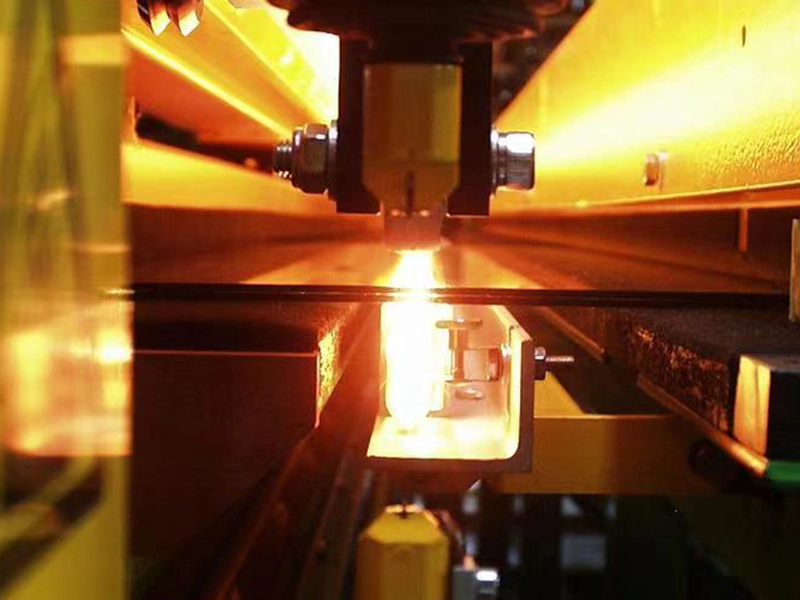
Cramming High-Density IR Heat into Tiny Glass Repair Brackets
When you’re trying to fit a glass annealing system into a mobile repair bracket, you’re basically fighting for every single millimeter. It’s a tight squeeze. You can’t just throw in a bulky resistive heater and hope for the best—especially when your voltage is limited and your footprint is tiny. That’s why we go with short-wave infrared (IR) lamps. They give us the heat density we need to kill those internal stresses in the glass without needing a giant oven taking up all your workspace. Getting the power right The real trick here is the wattage-to-length ratio. We use high-wattage quartz lamps because they concentrate thermal energy into a narrow, intense beam. It hits the glass fast. But you have to be smart about the voltage. If your mobile power supply is capped, we just spec out lamps with lower internal resistance. That way, you still get the heat you need without tripping a breaker or stalling out. The gear that makes it work We stick with quartz envelopes because they don’t freak out when the temperature jumps up and down rapidly. To make it even more efficient, we pair these lamps with specialized reflectors. This pushes the radiation straight onto the glass so the bracket frame doesn’t just soak up all the heat like a sponge. And because things break—it happens—we use standard industrial connectors. If a lamp burns out, you can swap it in a few minutes and get back to work. No rewiring the whole rig. The catch: Heat vs. Cooling Here’s the thing: high-density IR elements ramp up fast. Like, really fast. But all that heat in a tiny box is a recipe for disaster if you aren’t careful. If you don’t have a plan, you’ll end up cooking your own electronics. You’ve got to make sure your cooling fans or heat sinks can actually handle the ambient temperature rise around the housing. If the housing gets too hot, your lamps won’t last nearly as long. We always suggest a dedicated airflow path. Keep the circuitry cool, and let the glass get hot. Simple as that.