



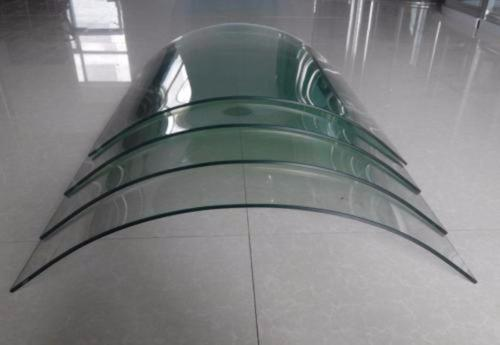
Why Fast-Response IR Lamps are the Secret to Borosilicate Production
If you’ve worked with borosilicate glass, you know the struggle. You have to get the thermal management exactly right, or you’re left with internal stresses that ruin the whole batch. In a continuous line, you just can’t deal with the lag. Traditional resistive heaters are too slow. They take forever to warm up and even longer to cool down. That’s why we use shortwave IR lamps. They’re fast. Really fast. And that changes everything for your workflow.
The magic of instant heat
Here is the thing about shortwave IR: these lamps hit their operating temperature in milliseconds. It means you can tweak the heat output the very second the glass moves through the tunnel. You control the power density, keeping the glass right at the annealing point without scorching the surface. With slow heaters, you’re basically gambling. One “cold spot” or a bit of thermal shock, and your glass is cracking during the cooling phase. Nobody wants that.
Making it work on the floor
To keep a line humming 24/7, it’s all about where you put the lamps and how much heat you’re packing into them. We use high-wattage quartz tubes. They don’t take up much space, but they punch way above their weight, pushing enough kW per meter to actually penetrate the borosilicate. You’ll want to wire these into a PID-controlled system, too. Otherwise, you risk overshooting your temperature and messing up the glass. But there is a catch. That much radiation is intense. It can actually start to bake your own machinery—your conveyor parts and housing—if you aren’t careful. You’ve got to get your reflectors and cooling fans dialed in so your equipment doesn’t melt while the glass is getting treated.
Killing the bottleneck
Switching to IR lamps basically turns annealing from a clunky batch process into a smooth, continuous flow. Your temperature tolerances get tighter and your throughput jumps. Since the lamps react instantly to sensor feedback, you can adjust the heat profile on the fly. You don’t have to stop the line. It just removes that annoying bottleneck, letting you push more tonnage through the plant without worrying that the glass is going to fail.