
Introduction
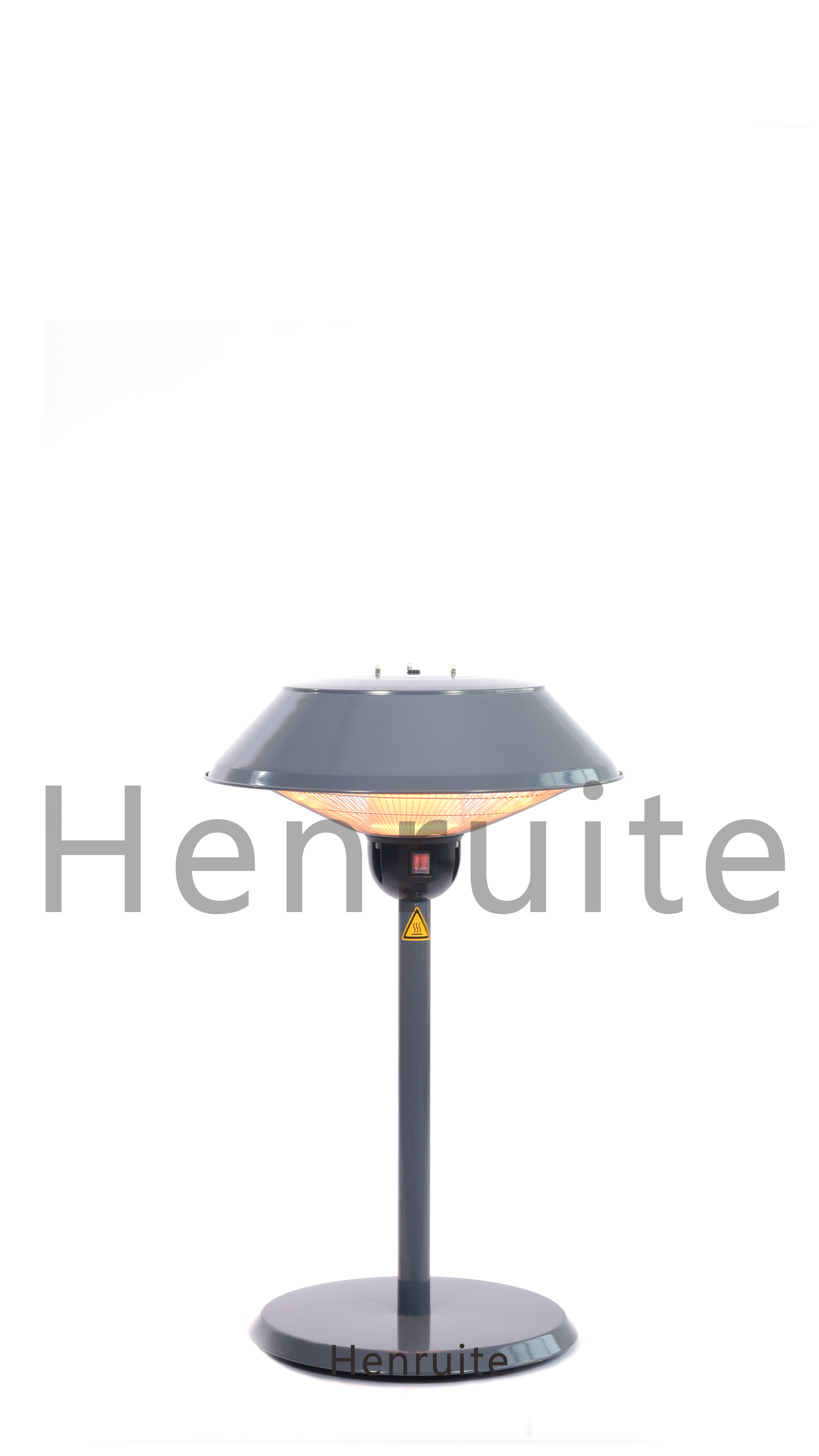
Ever walk into a coffee shop or train station and feel that blast of cold air every time the door swings open? Yeah, me too. Traditional heaters just can’t keep up with that constant back-and-forth. So we built something different—an infrared fan heater that doesn’t waste time trying to warm the whole room. It gives you heat, right where you need it, the moment you need it. Think of it like a warm hug, delivered instantly.
Technical Deep-Dive
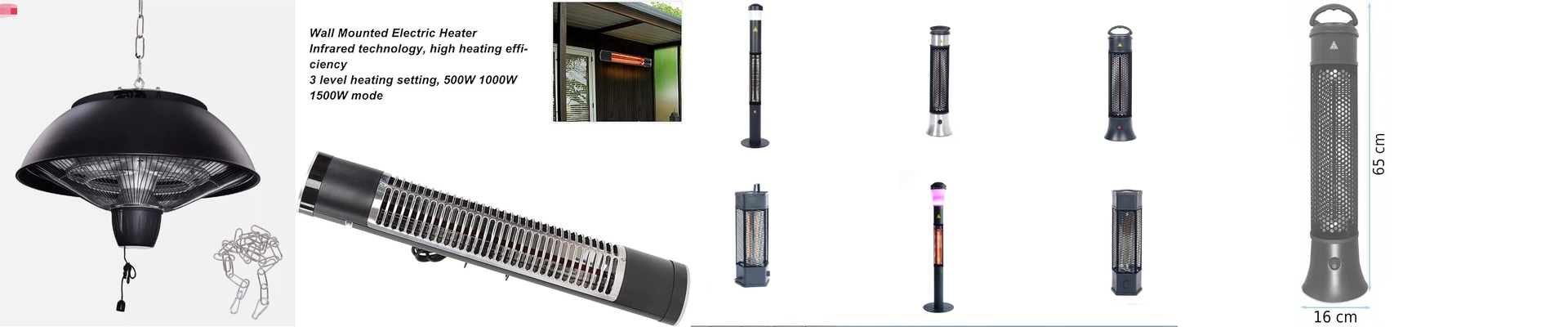
At the heart of this thing is a halogen tube—2500W, 400V, and 300mm long. That size isn’t random. It packs a ton of heat into a small space, which is exactly what you need when you’re dealing with high-traffic spots. Running at 400V instead of 230V means less strain on your wiring. You can run longer cables without worrying about overheating or needing thicker wires. And that 300mm length? It spreads the warmth out, so one unit covers more ground. The fan is perfectly matched to the emitter, so you get that gentle push of warm air, while the infrared part cuts right through drafts and warms people—and surfaces—directly.
Material & Design
The emitter uses a quartz tube filled with halogen. That halogen keeps the filament stable, even when things get seriously hot. So the heater stays consistent, lasts longer, and doesn’t flicker or fade over time. There’s also a reflective coating that pushes heat downward, where it matters most. Less waste, more warmth where you stand. And the R7s connector? It’s just a solid, two-pin ceramic base that can handle the heat and stays reliable even when things get a little shaky. When something needs replacing, it’s quick and easy—no fuss, no downtime.
Application & Benefits
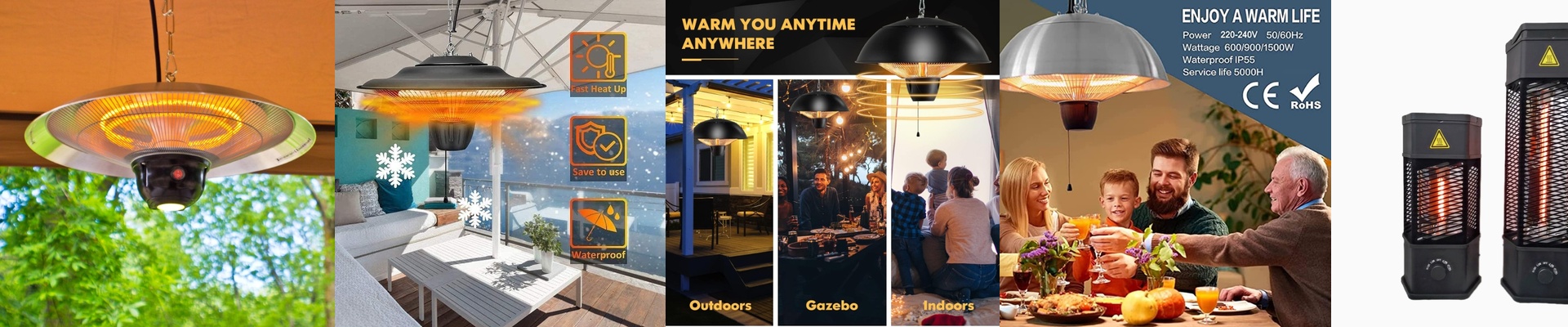
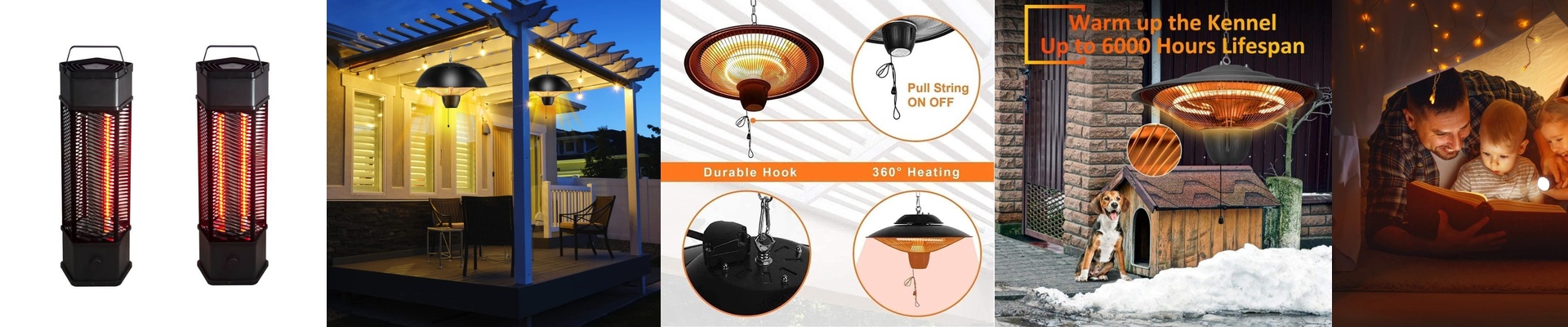
Places with doors that never seem to stay closed are a nightmare for regular heating. Ambient heaters just throw money at the ceiling while your customers are freezing at their tables or waiting areas. Our infrared heater flips that on its head. It warms people instantly—not the air above them. Installation? Seriously straightforward. Mount it, wire it through the R7s base, and you’re good to go. It even works as a direct swap for older high-intensity heaters. Now, a heads-up: 2500W at 400V is serious power. You’ll want to make sure your electrical setup and ventilation are ready for it. But for engineers who care about reliability, ease, and heat that actually hits the mark? It doesn’t get much better than this.