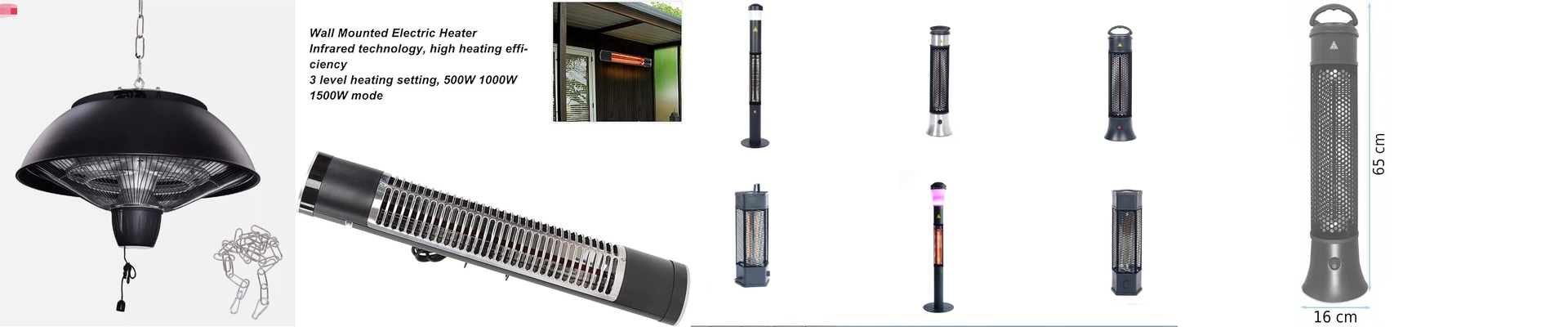
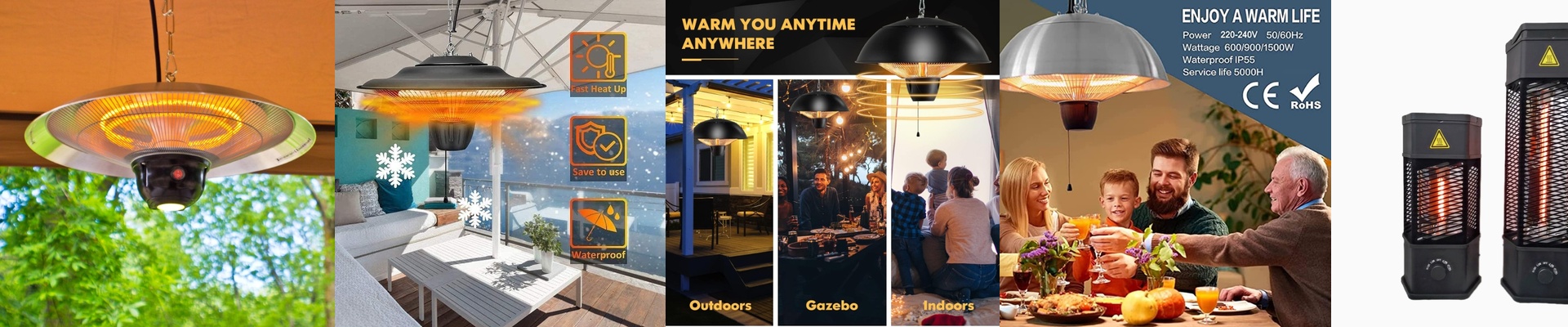
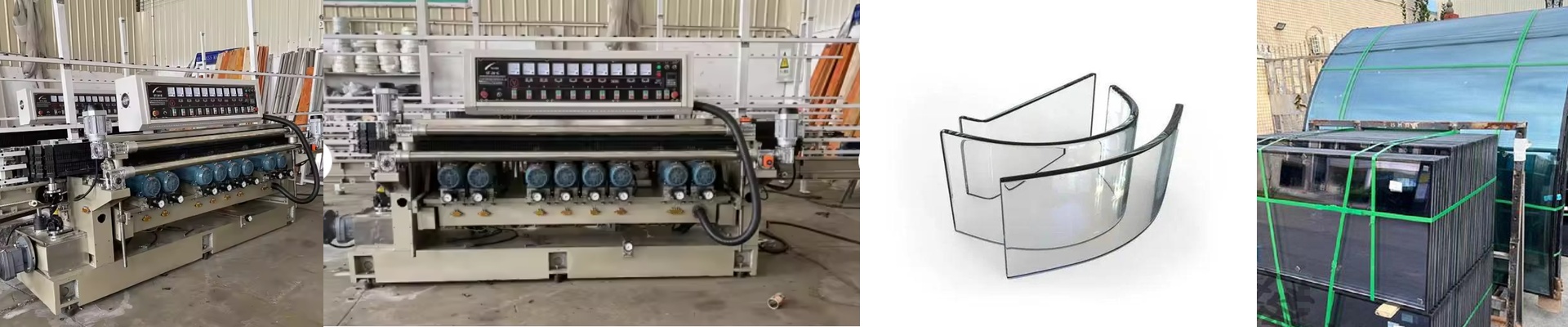
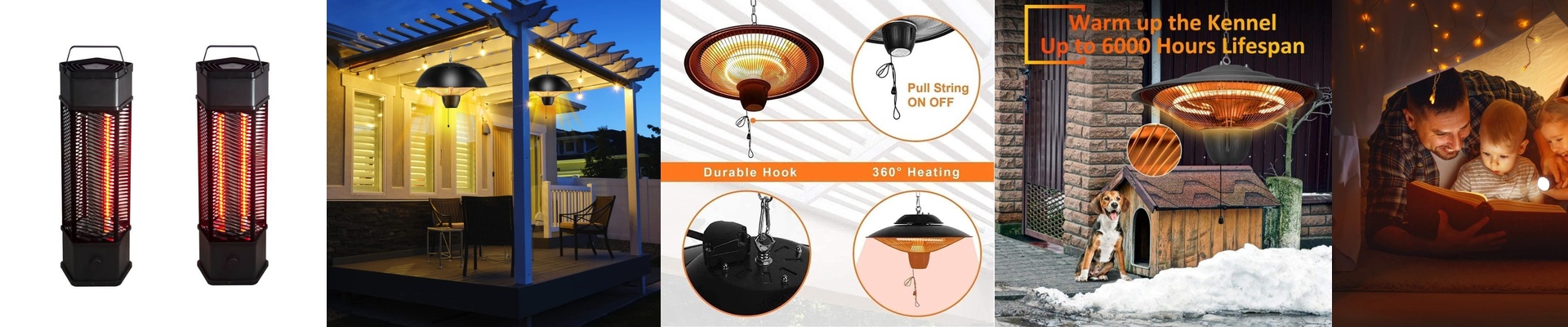

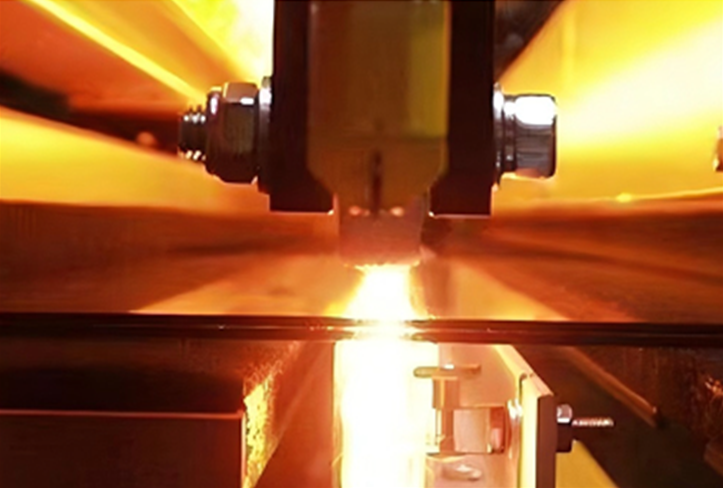
On the glass line, “drying” isn’t just drying. It’s a thermal move that can set you up for stress fractures later—during tempering, bending, or even during insulating glass sealing. When convection ovens drag out cycle time, or when uneven heat leaves you with wet edges, you pay for it in scrap and rework. We built an infrared ink drying lamp to attack that bottleneck, using short-wave NIR output matched to solvent-borne and UV-curable inks on glass substrates. What matters, technically The unit runs on a quartz-halogen NIR emitter, tuned to dump energy fast without soaking the glass bulk. Peak wavelengths hit where the ink absorbs the most, so the heat goes into the coating, not the pane. That gives you a quick temperature rise with minimal conduction into the glass—exactly what you want when you need to keep thermal stress low before annealing or stress relief. Power density is set for high-throughput lines, and the irradiance profile is engineered to keep the thermal field uniform across the glass width. Replaceable lamps and standardized mounting keep maintenance straightforward, and it integrates as a drop-in module on most flat-glass conveyor lines. Why it holds up in production Speed is only useful if your yield stays steady. The lamp cuts drying time so the line can keep pace with tempering and bending without getting hung up at coating. Tighter control of the thermal front reduces edge overheat and prevents local stress build-up, which helps you avoid micro-cracks that show up later as optical distortion—or breakage during handling. Energy use drops because the lamp only heats when glass is present and targets the coating directly, so you don’t carry the standby losses typical of large ovens. The practical details Infrared drying is line-of-sight. Glass reflectivity and emissivity, ink pigment, and line spacing all change how much energy actually gets absorbed. Expect a short setup window to dial in speed and lamp height for each product mix, and make sure your conveyor can live with the concentrated heat footprint. Once the profile is locked, the behavior is predictable—and it keeps the drying step from calling the shots on your line speed.