Getting High Heat into Tiny Spaces for Mobile Glass Repair
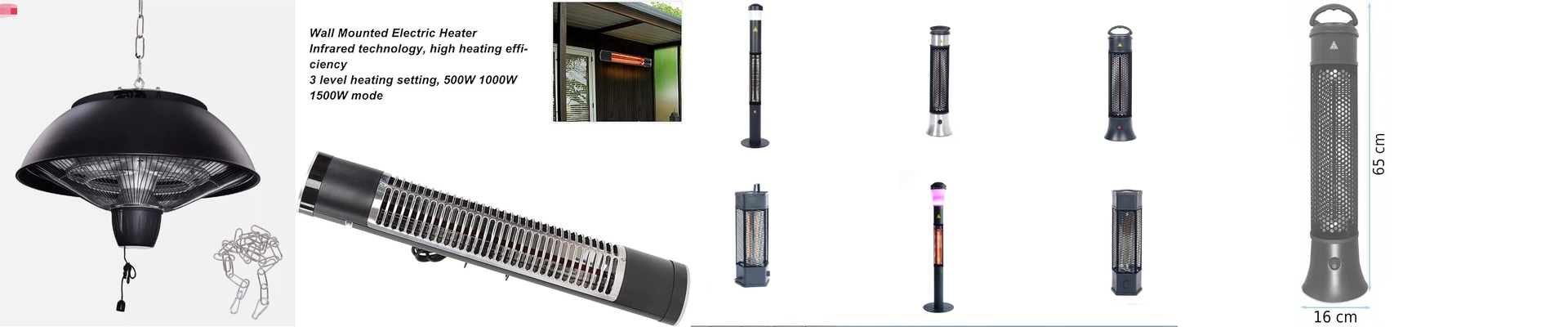
If you’ve ever worked with mobile glass repair brackets, you know the struggle. You’re fighting for every millimeter of space, but you still need enough heat to cut or reshape safety glass. It’s a tight squeeze. You’ve got limited voltage and almost no room to move, which usually means you’re stuck with heaters that just aren’t powerful enough. We stopped trying to make standard heating elements work and switched to miniaturized short-wave infrared (SWIR) lamps instead. The trick to heat density When you shrink a heater, the usual result is a burnt-out filament or a melted housing. Not great. To fix this, we use high-watt-density quartz tubes. They concentrate all that thermal energy into a narrow beam, so the lamp hits its target temperature in seconds. Since these tools are meant to be moved around, we matched the voltage to portable power supplies. No one wants to lug around a bulky transformer just to get the job done. And here’s the best part: short-wave radiation actually sinks into the glass faster than long-wave heat. It means you don’t get those nasty temperature gaps where the edges of the glass crack because one spot is hot and the other is cold. Keeping the wiring clean In a mobile bracket, a bulky connector is basically a liability. It takes up too much room and it’s the first thing to snap when the tool starts vibrating. We stick to compact R7s or specialized pin-bases to keep the wiring harness lean. We also wrap the leads in high-temp silicone or fiberglass sleeving. Why? Because when those wires touch the lamp housing, you don’t want them to fry. The heat trade-off Here’s the catch. When you pack that much heat into such a small footprint, the housing gets hot—fast. You can’t just toss these into a plastic bracket and hope for the best. You’ll end up with a melted mess. We use aluminum heat sinks or active airflow to keep the nearby electronics from cooking. If you skimp on the cooling, your lamp’s lifespan is going to tank. It’s all about that balance. We wanted something that heats up instantly but doesn’t melt the tool itself. That way, you get the thermal punch you need for safety glass without losing the portability.