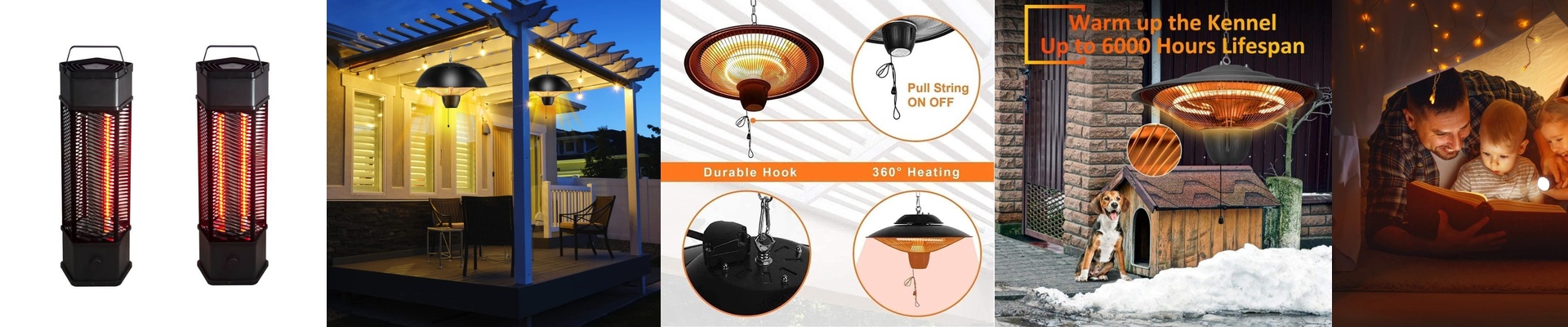
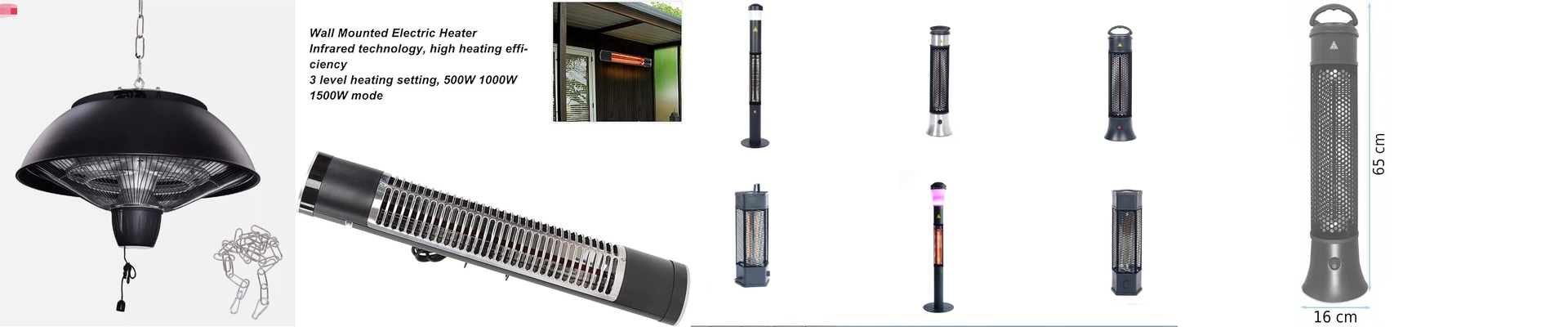
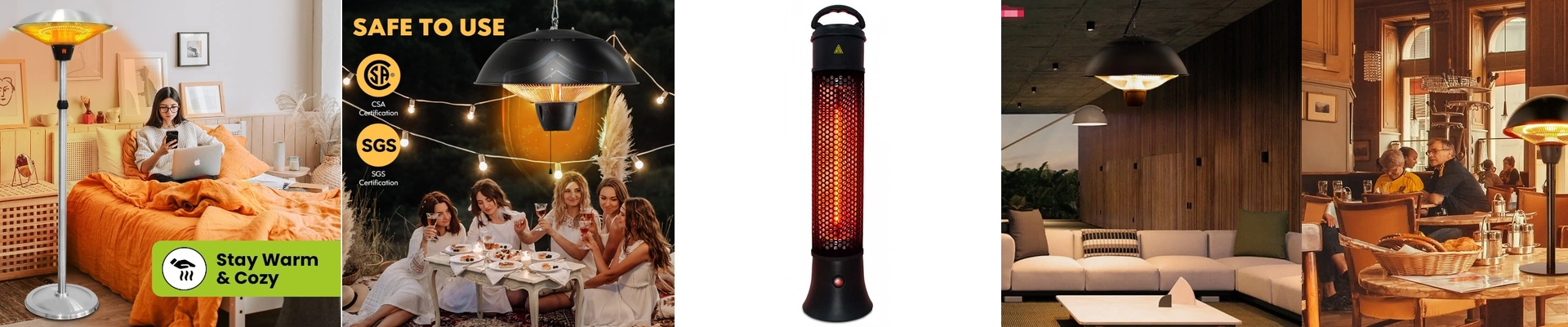
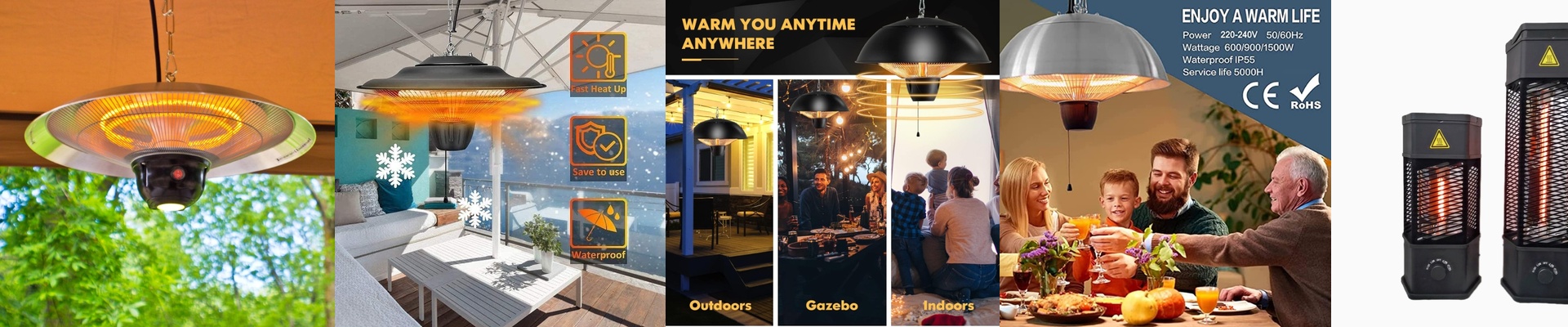
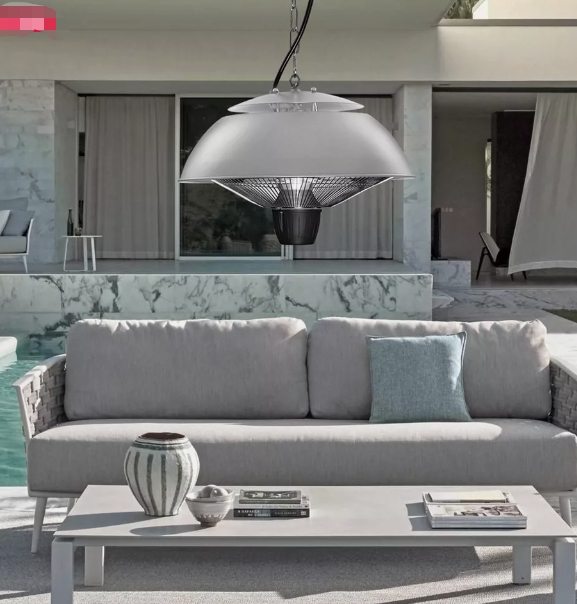
Winter hits, and the electric bill hits back. You flip on the heat, wait for the room to catch up, and watch the meter run. The question isn’t just comfort—it’s control. Can you feel genuinely warm without paying for a lot of wasted air? Far infrared heaters cut through that by warming people and objects directly, not the air between them. We run a carbon fiber element inside a sealed quartz tube to produce a broad, gentle band of long-wave infrared warmth. The payoff is instant radiant heat—no fan, no draft, no waiting. In practice, that targeted approach can trim total heating energy by around 30% compared with convection electric heaters, because less heat is lost through drafts and air exchange. Here is the thing: the savings start with how the heat is delivered. Instead of pushing warm air that rises and scatters, far infrared energy travels outward and gets absorbed by walls, floors, furniture—and you. That means the space feels comfortable at a lower thermostat setting, and the heater cycles less. For a typical living area or covered patio, a 1200–1500W model with a built-in thermostat and tip-over protection gives you steady comfort without guesswork. The heat is silent, clean, and immediate, so you only run it when you need it. Now, how you use it matters. Far infrared warmth is most effective in open or semi-open areas when you’re in the line of sight of the element. For best results, point the heater toward seating and keep a short, clear distance so you don’t overheat one spot. Indoors, it works great as supplemental heat; outdoors, it shines in sheltered spots like a screened porch. Radiant heat doesn’t bend around corners the way forced-air systems do—coverage is directional. If you’re dealing with more moisture exposure, pair it with an IP-rated outdoor electric heater, and always plug into a dedicated outlet on a properly rated circuit.