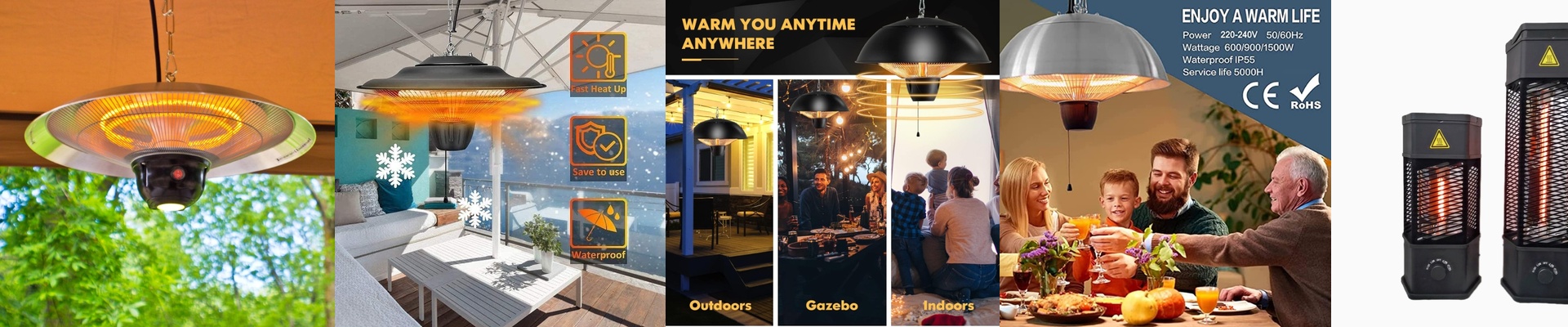
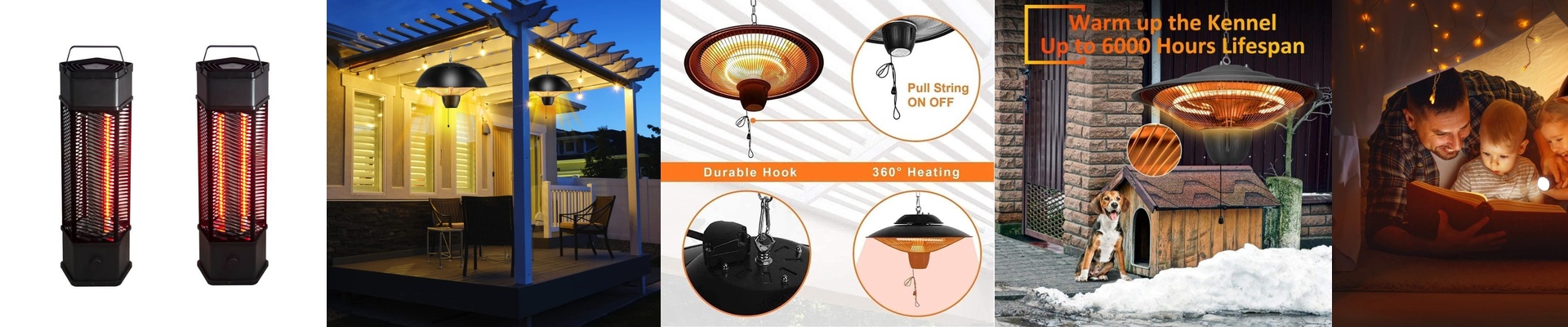
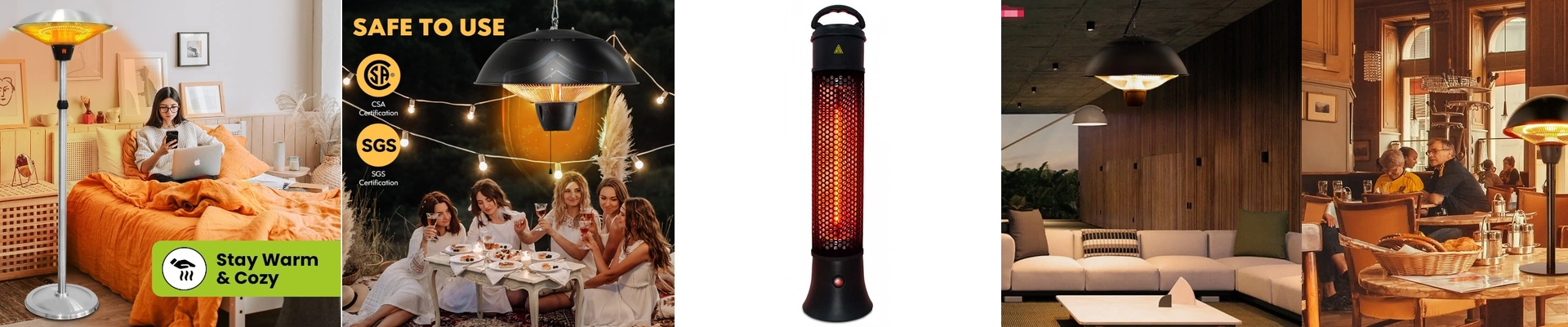
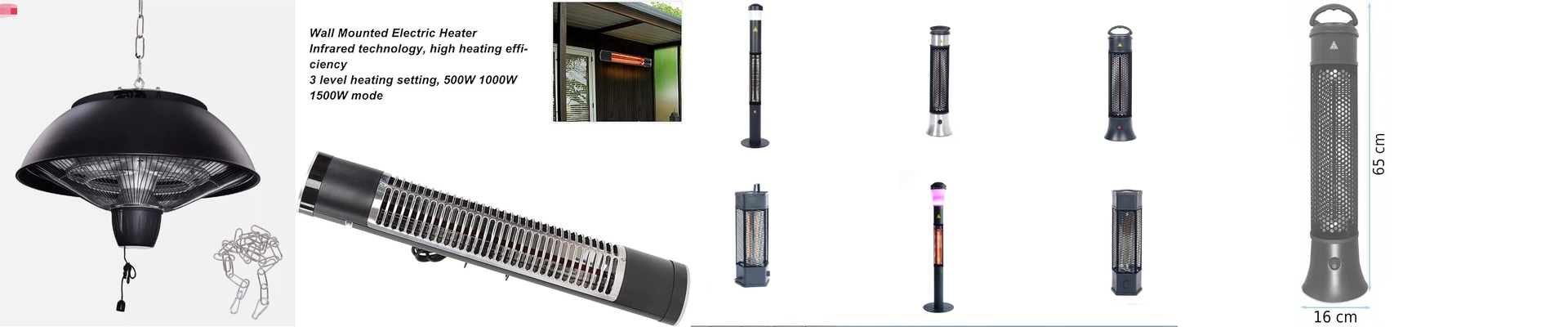

Walk into a gallery or museum and the wrong heat becomes a problem fast. Drafts tug dust across delicate surfaces. Swings in moisture make canvases warp and wood split. Visitors and staff shiver, and the collection pays the price. We built this infrared desktop heater to keep people warm without putting collections at risk. Here’s the technical heart of it: it’s all about the form of heat. This unit uses short-wave infrared that moves through air as light, then turns to warmth the moment it hits something. It’s radiant heat, plain and simple—warming people, floors, and objects directly instead of pushing air around. The payoff is steady comfort with far less dust disturbance, and no blowers to kick particulates into the air. You can dial the output, so you match the heat to the room load and the sensitivity of nearby pieces. The element stays enclosed and protected, and the housing stays cool to the touch, which cuts down on accidental contact. Why it works in these spaces comes down to control and gentleness. Infrared warmth doesn’t lean on convection, so you don’t get the temperature swings that come with ducted systems and forced air. Fewer cycles, steadier humidity behavior, and less stress on organic materials. You feel the heat in seconds, and the space stays even—no hot and cold spots. In conservation rooms, reading corners, and climate-controlled display areas, the heater keeps people comfortable while the collection stays undisturbed. A few practical notes before you place it: positioning matters. Keep a clear distance from objects so you don’t concentrate heat on any single surface, and aim the beam toward where people are, not straight onto a case. It runs on standard power and stays quiet, but it delivers intense radiant warmth, so run a short test to confirm the right output setting for each room.