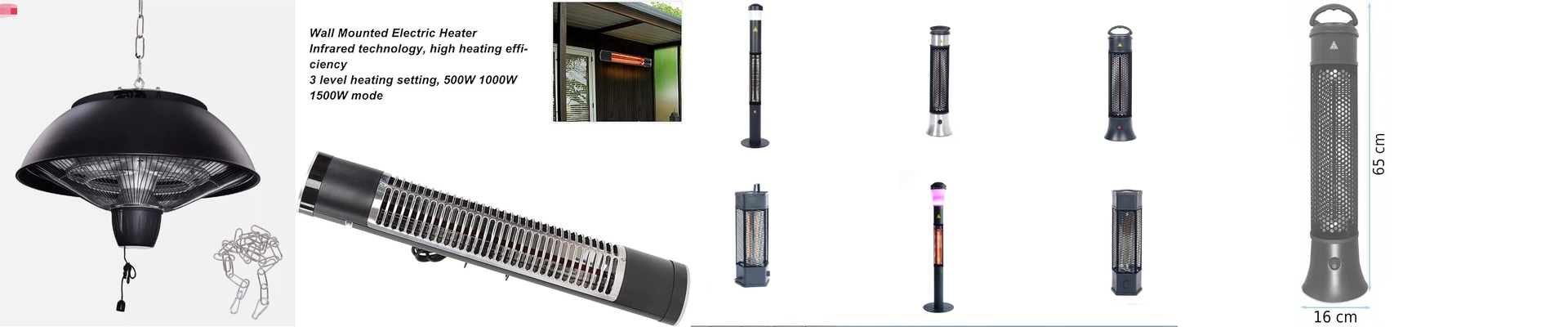
On the plant floor, a sluggish or uneven heat profile during lab annealing doesn’t just burn time. It can warp test samples, hide how glass actually behaves, and send the wrong signals back into production. We built the Laboratory Glass Annealing Lamp to give you repeatable, controllable heat where it counts: on the bench, in QC, and during small-batch trials. What matters, technically The lamp uses short-wave NIR quartz emitters to deliver fast, direct radiant heat with minimal convection. The wavelengths are tuned to match glass absorption, so you heat the surface quickly and evenly without overdriving the surroundings. That gives you a tight thermal field that cuts thermal stress and makes annealing predictable. Output is adjustable across a broad range, and the footprint fits standard fixtures and lab setups. You get fast stabilization, consistent repeats, and a service life that holds up to shift work. Why it works in practice Whether you’re running bending trials, checking temper readiness, confirming lamination cure, or drying a coating layer, the lamp keeps the thermal cycle repeatable. Rapid ramp-up cuts the wait between samples. Uniform heating lowers the odds of stress fractures and edge deviation. The payoff is fewer re-runs, cleaner data for process windows, and a quicker handoff from lab to line. On the production side, it can preheat small loads before bending, support preheat for temper, and provide controlled heat for EVA/SGP/PVB lamination and coating drying when you need precision without tying up a full oven. Here’s what to keep in mind Radiant heating is fast, but it needs attention to distance and emissivity. Set the working distance and power to match the part geometry and glass type, or you’ll risk unevenness on coated or low-emissivity surfaces. Make sure the voltage and connectors match your bench equipment. The emitters run hot—maintain clearances and ventilate properly. With those basics covered, it drops into routine lab work with minimal changeover.