

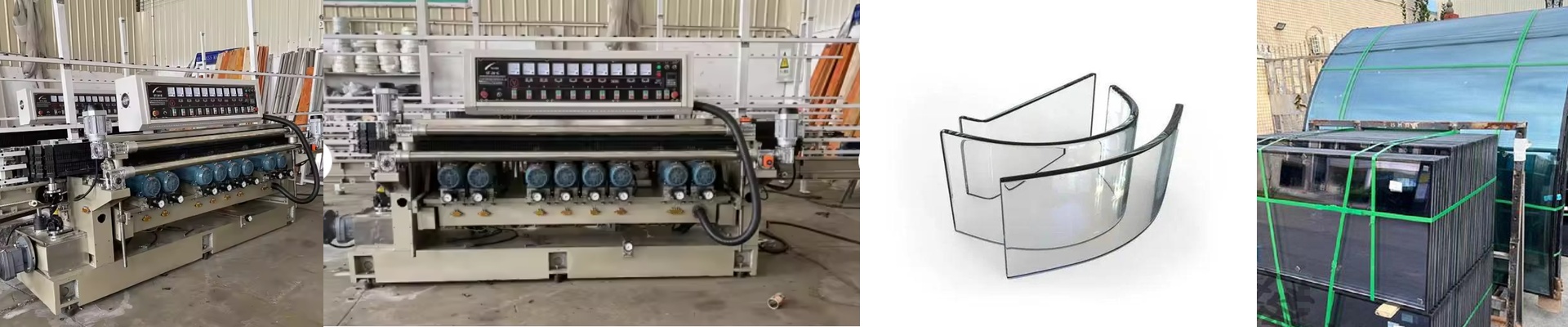
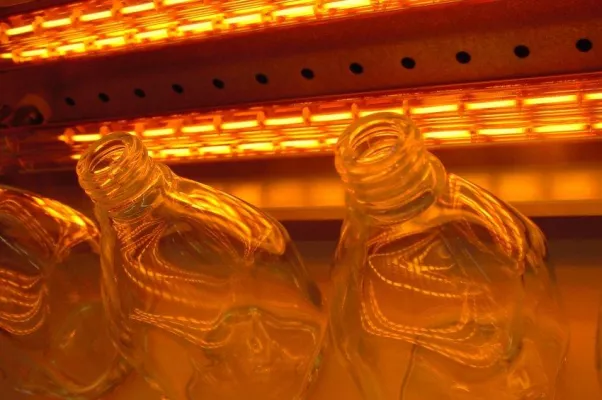
On the glass line, heat is not a guess—it’s the one variable you can’t chase after the fact. When IR output drifts, the thermal profile drifts with it. Next shift, you’re staring at warped windshields off the bender, edge compression problems in tempered parts, or EVA/SGP that just won’t cure on time. Run an SCR power regulator on your IR, and you put closed-loop control into every heating zone. The temperature follows the recipe, not the line voltage swings. What matters under the hood The SCR regulator holds steady power to short-wave or medium-wave IR emitters using phase-angle control, keeping the setpoint stable even when the line fluctuates. In practice, that means faster ramps and a tighter soak—fewer bent parts scrapped, less rework. Power is adjustable across the full load range, and the unit integrates into standard PLC setups. You get consistent behavior from the lamp bank, so the heat profile stays where you designed it, across the whole glass surface. Why this plays well across the line Glass processing is just a chain of thermal steps. In tempering, the quench needs a uniform hot face; SCR-regulated IR stabilizes the pre-heat and helps you steer clear of thermal stress cracks. On the bender, controlled heating keeps local overheat and optical distortion from sneaking in. For coating drying and lamination curing—EVA, SGP, PVB—stable IR power shortens cycle time without scorching, and it helps keep bubbles and haze out of the interlayer. For insulating glass, consistent heat across the primary seal gives you better adhesion and cleaner edge-seal integrity. The payoff is higher yield, predictable cycle times, and fewer kilowatt-hours per square meter. What you need to get right on the install Match the regulator to the emitter type and to the oven’s thermal mass. If the lamps and the control are out of step, you’ll get hot spots and sluggish response. Check voltage and current ratings against your busbar and connectors, and make sure the control signal protocol lines up with your PLC cabinet. Plan for proper heat dissipation, and clean the terminals at commissioning. These regulators don’t like dust and moisture, so protect the enclosure and set up routine inspections.