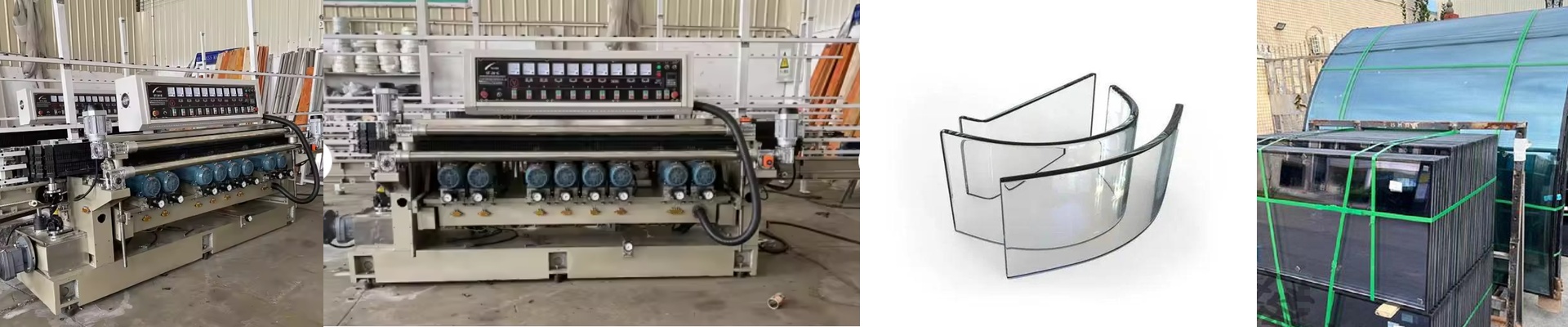


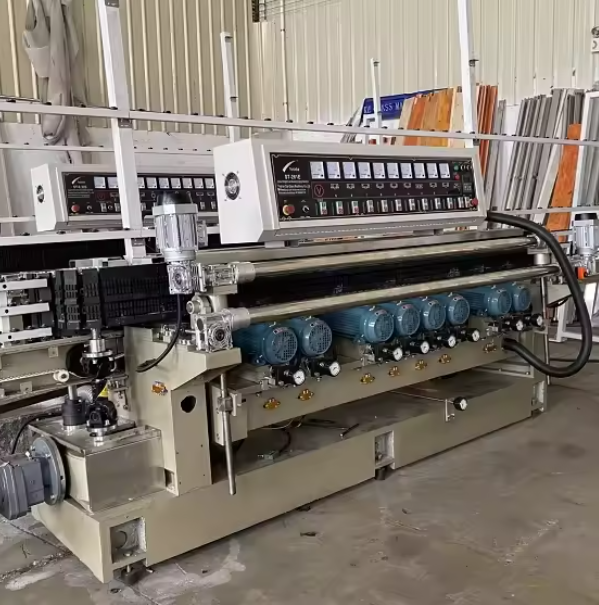
On the glass line, heat is timing. A tempering furnace, bending oven, or lamination press can’t afford a 20-minute restart after a cable fault. When the heating system stutters, stress fractures climb, flatness drifts, and yield drops before you even get a chance to tweak the setpoints. What we built into this cable We spec this power cable for industrial heater duty in glass processing: insulation rated for continuous high heat near the heater zone, low-resistance conductors to keep voltage drop down under heavy load, and a shielded, jacketed build that stands up to thermal fatigue, abrasion, and the chemicals that come with the process. It keeps current stable to medium-wave and short-wave infrared elements, where consistent emissivity and quick response are the only way to get a uniform thermal field. Terminals and connectors are chosen to match OEM heater blocks and power feeds, so contact resistance stays low and you don’t cook a hot spot. Why it holds up in real glass work In tempering, uniform heating means you don’t get uneven quenching and edge cracking. In bending, the glass has to hit the softening window predictably; if cable losses steal power, the profile shifts and you’re doing rework. In lamination and coating drying, the heater has to hold setpoint without cycling—otherwise adhesion and optical clarity drift off spec. This cable keeps the heater at the right power, cycle after cycle. Shops see fewer unplanned stops, heating curves that stay steady, and less energy wasted to resistive losses. It’s built to run long hours, not to become your maintenance bottleneck. A few shop-floor details that matter Routing matters. Keep the cable off sharp edges and away from moving conveyors, and leave enough clearance from the hot zone so the jacket doesn’t age prematurely. Match the connector type and current rating exactly to the heater and control cabinet—no shortcuts. Cold starts feel a little stiffer. That’s normal with high-temperature insulation, not a defect. And plan to inspect the terminations periodically, especially after thermal cycling, so you catch oxidation or loosening early—before it turns into downtime.