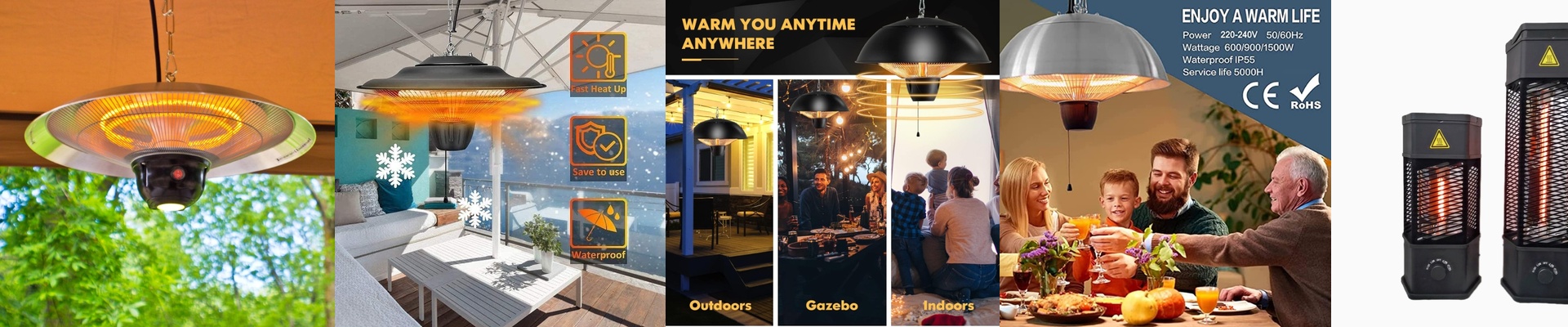
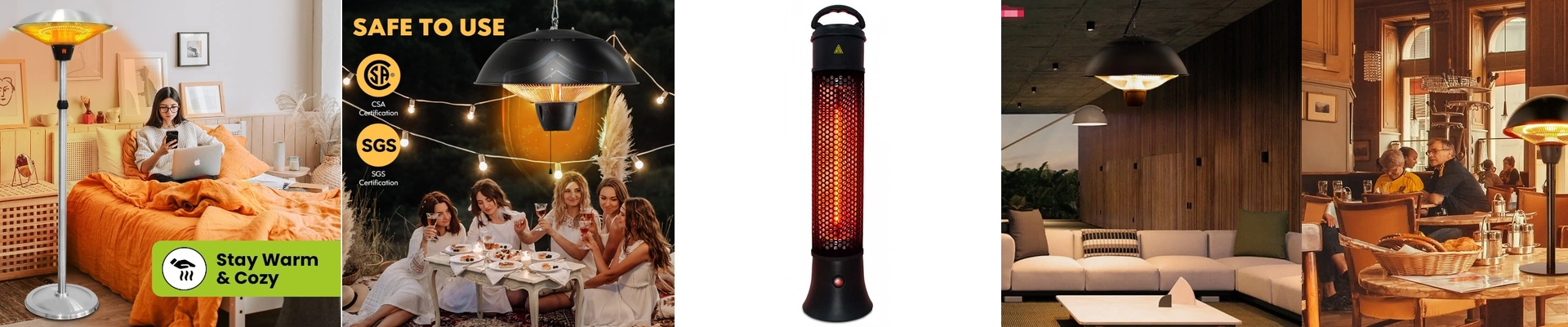
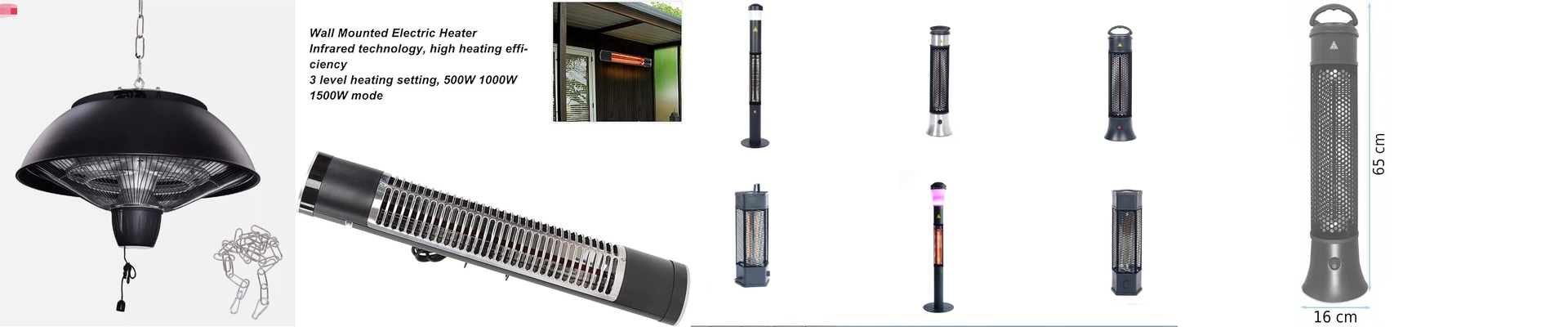
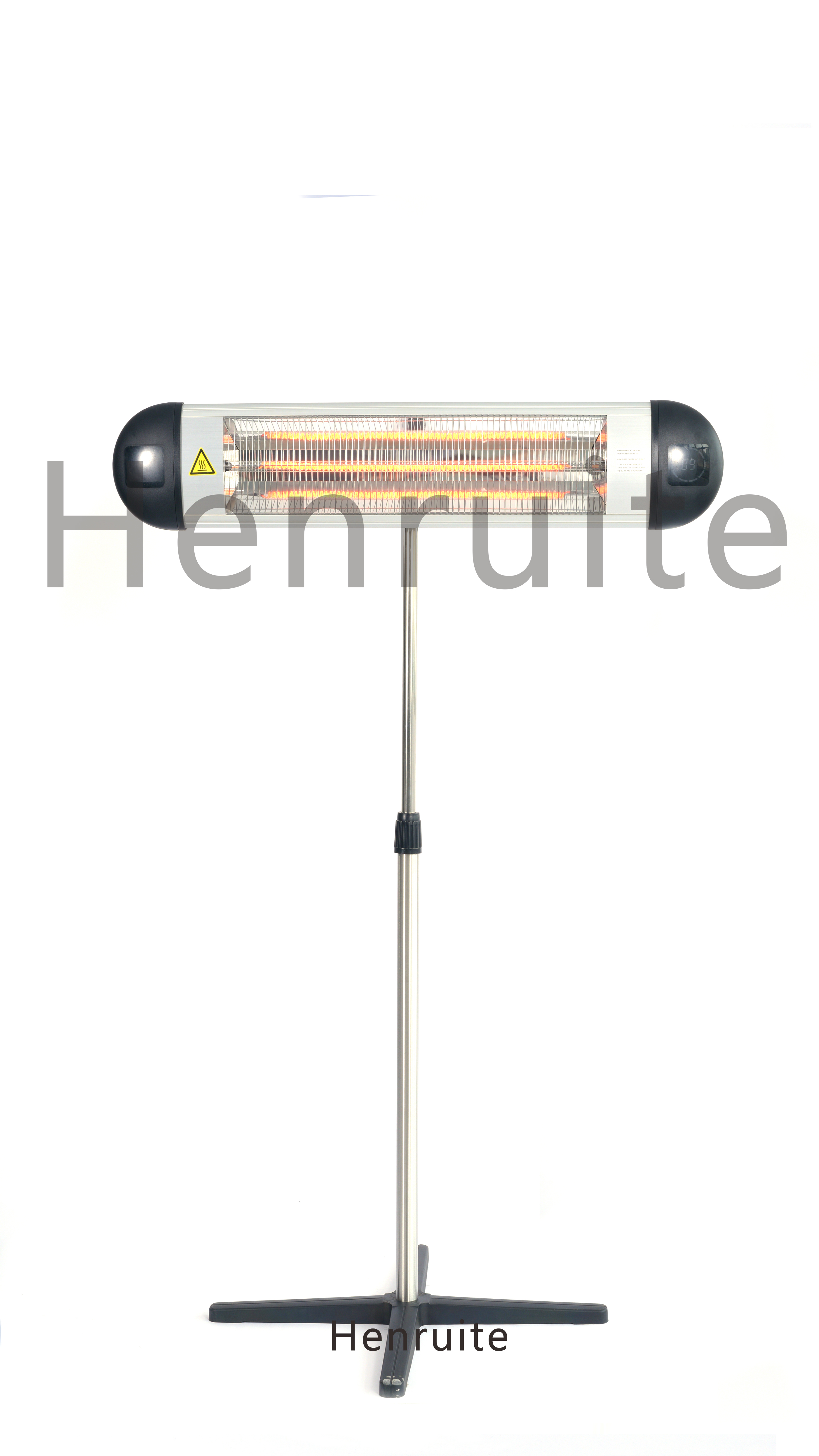
When the thermostat clicks on, you need heat that shows up on time—not five minutes later. In a smart home, comfort should be on demand, not wasteful. Most heaters still drag their feet, overshoot the mark, and run up the bill. The missing piece is low thermal inertia. Infrared elements that come up to output almost instantly can keep pace with your control strategy. They cut idle time and sidestep the energy penalty that comes with constant cycling. Here’s the physics behind it. A low-inertia infrared heater leans on a thin carbon fiber or quartz element that hits target output in seconds, not minutes. The heat comes through as radiant warmth, directly loading up people and surfaces, not the air. So you feel comfort faster, and the thermostat can run a tighter loop. Pair that with a smart controller, and the system can preheat right before someone walks in, then back off the instant the space is warm—no long coast, the kind you get from conventional convection heaters. Why does this work so well in practice? Control precision. In a home with smart climate coordination, the fast response keeps the setpoint stable, trims overheat, and shaves standby draw. For you, that means lower electricity use, steadier comfort, and fewer drafts. You also get the gentle, even feel of infrared warmth, which helps keep muscles relaxed and keeps the air from feeling stuffy. A couple of real-world notes. Infrared warmth is directional, so placement matters. Aim the unit at primary seating and reflect warmth toward the center of the room. For whole-room coverage, add gentle air movement to move warmth around. And do the basics on safety: confirm circuit capacity, and choose a model with overheat protection and tip-over safety. For outdoor use, verify the IP rating and always plug into a weatherproof outlet with a GFCI.