
Keeping the Heat, Losing the Glare: How We Build Our Bathroom Lamps
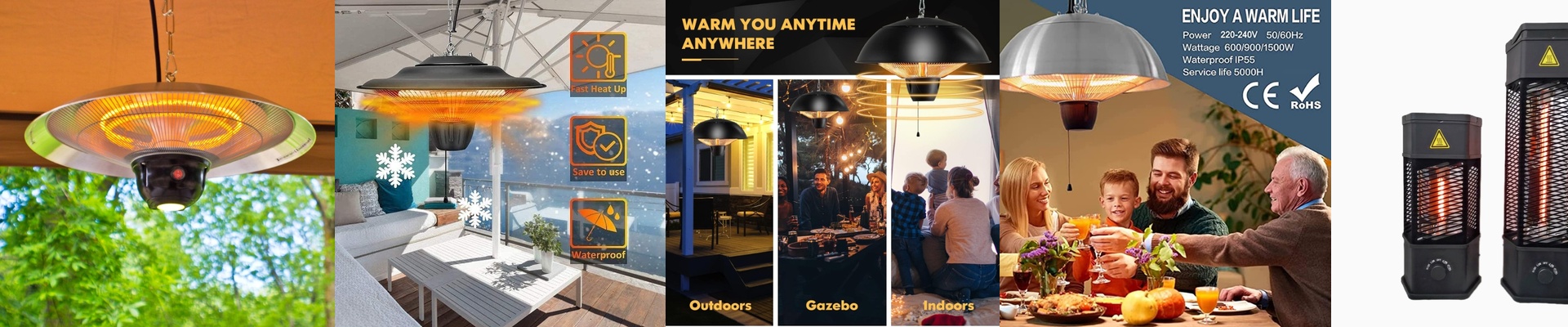
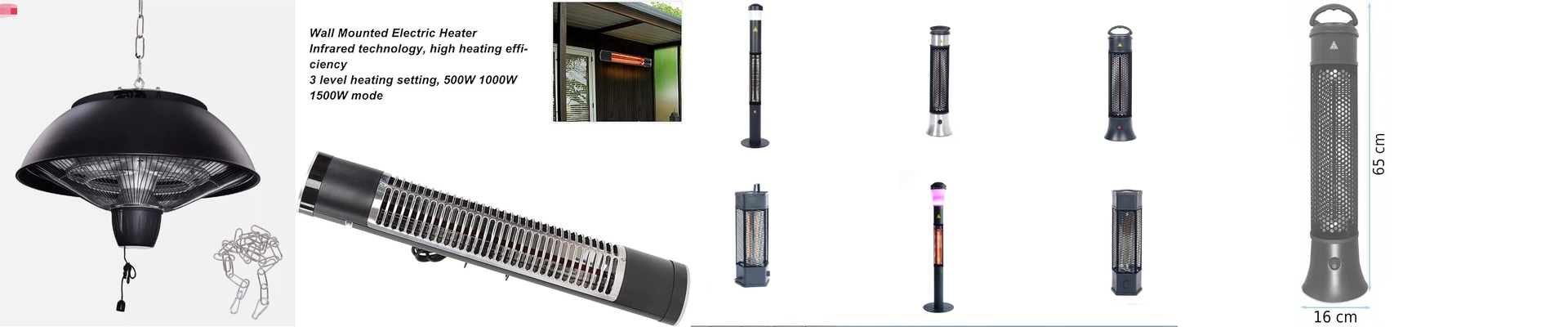
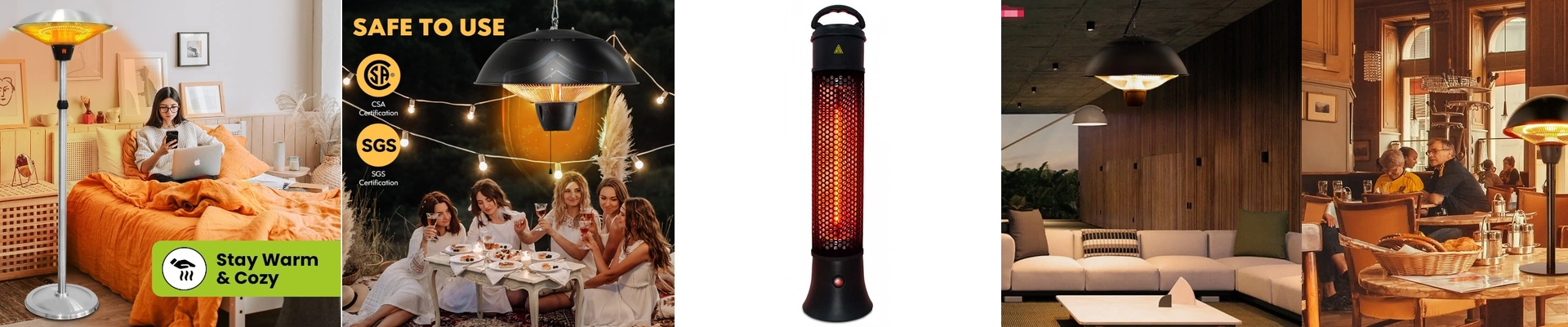
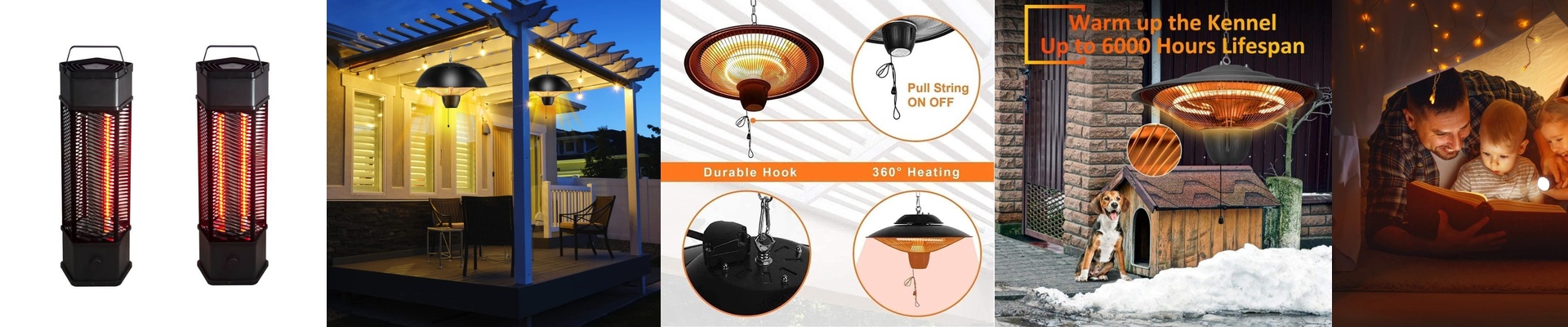
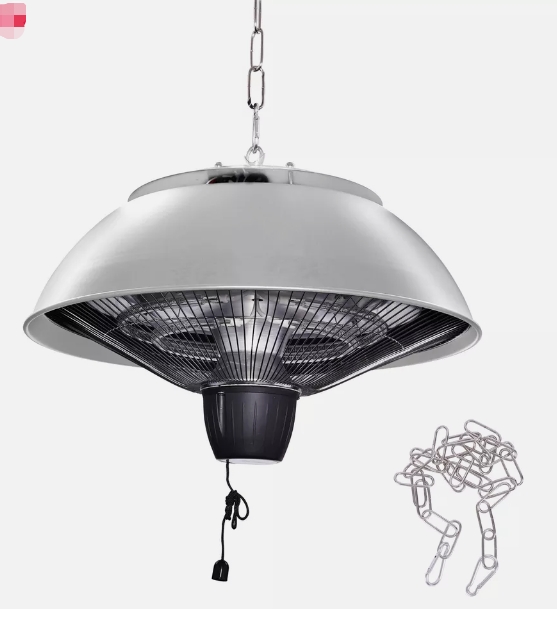
When we design these heating lamps, we’re juggling two things: getting you warm fast and making sure your eyes stay safe. It sounds simple, but it’s a bit of a balancing act. We want that cozy, instant heat, but we can’t have the light being so harsh that it hurts your retinas—especially when you’re bathing a baby. The Secret is in the Filter Most standard infrared lamps are way too bright. They pump out visible light and UV rays that you just don’t want in your eyes. To fix that, we tweak the quartz tubes. We use specific dopants and coatings that act like a gatekeeper. They block out the aggressive blue light and UV stuff but let the long-wave infrared heat slide right through. The result? You feel the warmth on your skin, but that blinding “glare” is gone. We shift the energy into a specific range (about 2.0 to 3.0 microns) that your skin loves, but your eyes don’t find threatening. What’s Under the Hood Inside the lamp, there’s a tungsten filament tucked into high-purity quartz. We fill the tube with a halogen gas mix. Why? Because it stops the filament from wearing out too quickly, so your lamp doesn’t just dim or die after a few months. Then there’s the reflector. We use a parabolic shape coated in high-reflectivity aluminum. It basically grabs the heat and pushes it straight down in a concentrated beam. It’s much more efficient, and more importantly, it keeps your ceiling from getting toasted. The Trade-off Here’s the thing: you can’t have everything. By filtering out those harsh wavelengths to protect your eyes, the lamp isn’t as “bright” as a floodlight. It’s more of a soft, warm glow. One last tip: just make sure your fixture housing is rated for the wattage you’re using. You don’t want the heat soaking back into your ceiling mounts. Keep it breathable, and you’re good to go.