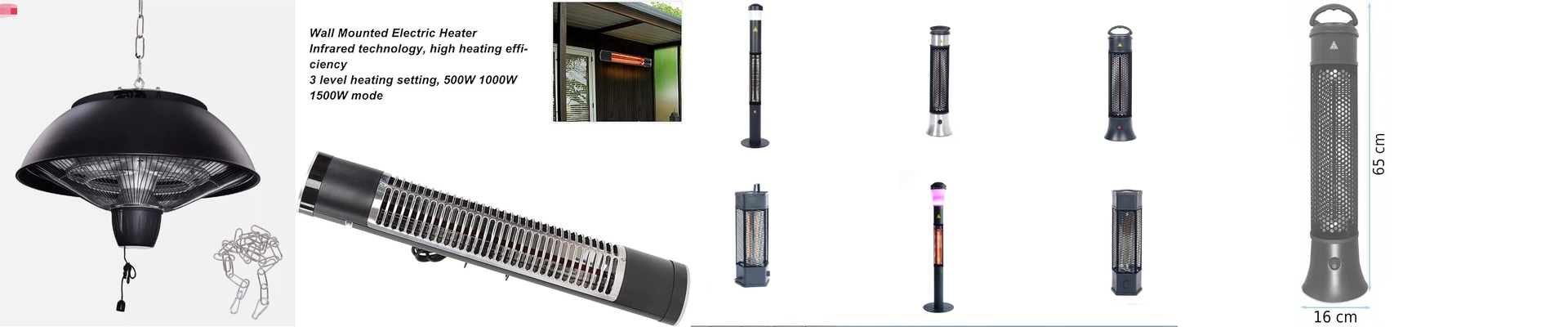
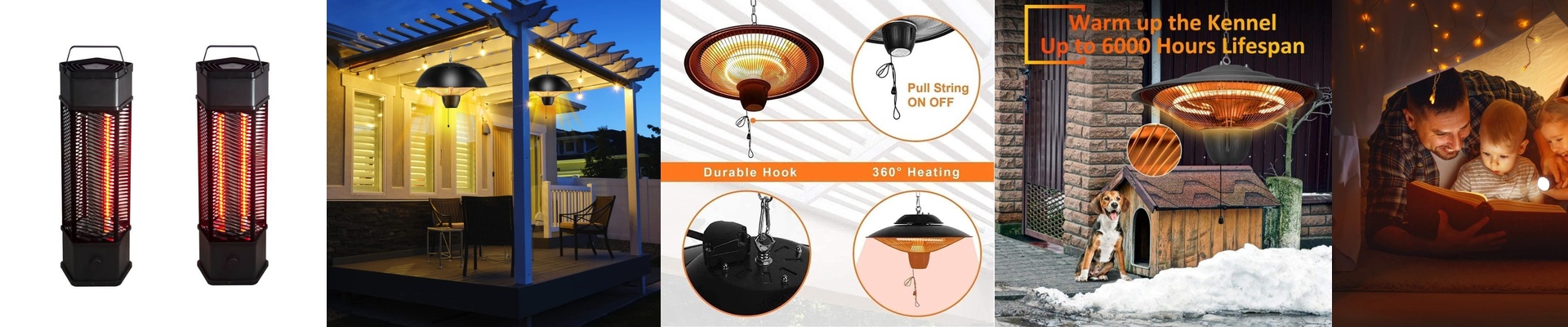
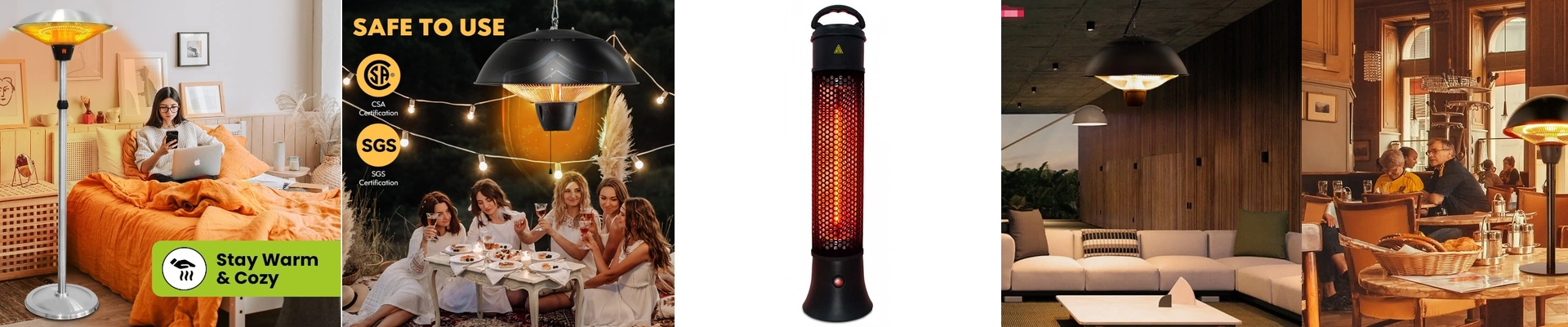
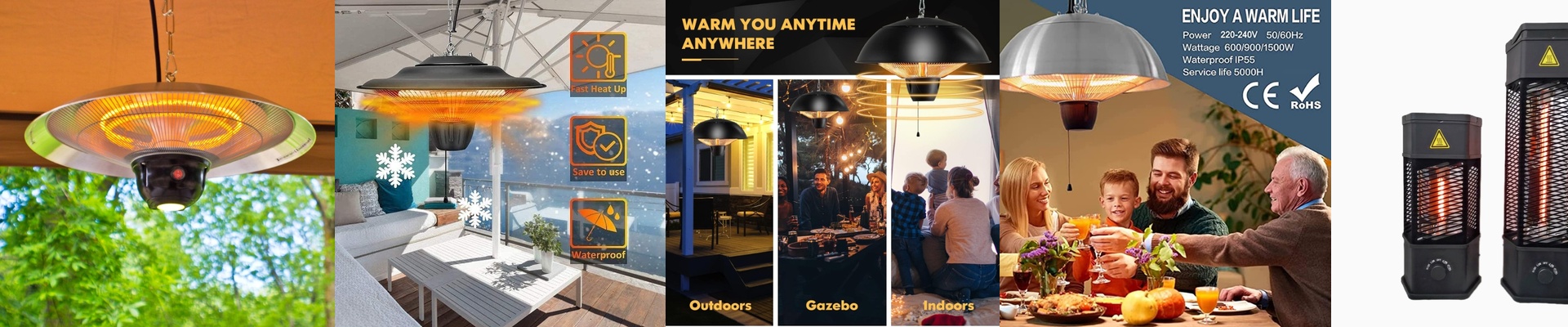
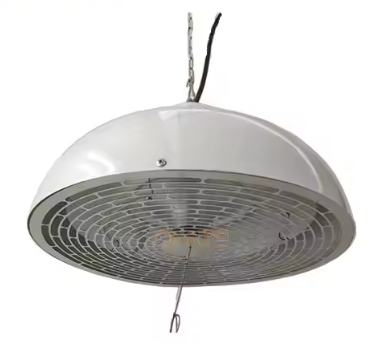
On a caravan site at dusk, the air bites. You plug in the heater, expecting warmth right away, and then you wait. If the element struggles, the whole evening shrinks. We built our caravan infrared heaters to keep that feeling from happening, and the reason is straightforward: every unit runs at full power through a 100% aging test before it ever leaves our workshop.
What matters under the hood
Caravan infrared heaters deliver radiant warmth—heating people and objects directly, not the air. In a tight space, that means comfort hits faster, and you don’t lose as much heat when the door opens and closes. We lean on a quartz-tube element because it heats up quickly and holds steady output. Each heater is tested at rated voltage under full load. That lets us spot early drift in performance, weak solder joints, and thermostat timing that doesn’t match the real-world cycle.
Why this approach holds up in a caravan
Space is limited, and heat has to arrive quickly—without noise. The 100% aging test catches hidden failures before they reach you, so rejects stay low and field performance stays predictable. You get a heater that starts when you need it, holds temperature without hunting, and shuts down cleanly. That consistency matters when you’re counting on warmth to extend the season, ease stiff joints, and keep condensation from forming on nights when the temperature drops.
Practical points to keep things safe and effective
Caravan wiring is often limited, so match the heater’s power to the circuit and, when you can, plug it into a dedicated outlet. Infrared heat warms what it touches, so placement matters—aim the beam toward seating areas, not walls. These heaters are efficient, but they still draw full current. If your supply is shared with other appliances, run them one at a time.