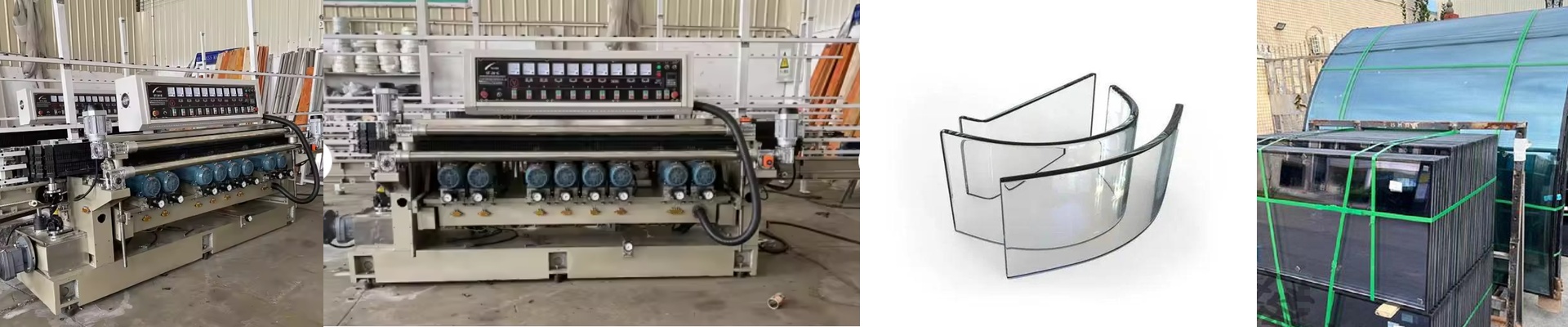
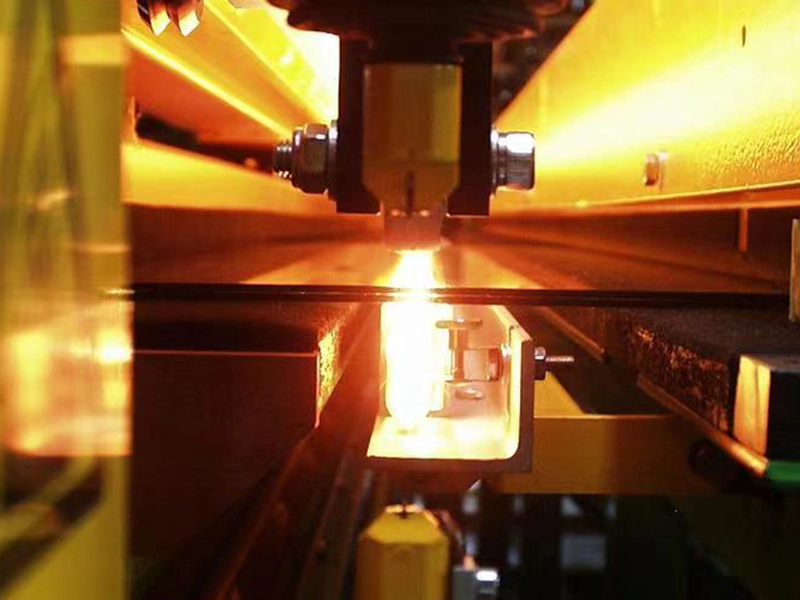
On the line, annealing is where you either make yield or lose it. A shaky thermal field leaves residual stress in architectural bent glass, and a sluggish ramp eats into throughput on automotive lamination. We built the scientific glass annealing bulb to hit the same temperature profile, cycle after cycle. What matters under the hood The bulb runs a quartz envelope with short-wave infrared elements, so you get rapid, direct radiation and low thermal inertia. Rated at 2.4 kW, 230 V, it’s only 200 mm long and sits on a standard ceramic socket—drops right into the kiln fixtures you already have. Response is quick, so you can track tight ramp-up and soak schedules without overshoot. The filament layout keeps the hot zone even, which helps you avoid the hot spots that drive thermal stress. Why it holds up in real plants In deep-processing work, the annealing bulb keeps float, coated, and laminated glass flat and stable through the lehr. You get tighter control over the annealing point, which cuts breakage from hidden stress and improves optical clarity on coated and automotive parts. The fast heat-up shortens cycle time, and the focused energy brings the kWh per batch down. On insulating glass sealing lines, the stable soak keeps the secondary seal curing consistent—fewer rejects. Here are the practical details Installation is straightforward, but the quartz envelope is fussy about contamination. Keep the socket clean, and don’t touch the bulb surface—oils and residues will create hot spots and cut life short. Match the voltage, and make sure the kiln controller can handle the inrush current on cold starts. Treat it right, and you can expect 5,000+ hours of stable output with predictable performance across tempering, bending, and lamination lines.