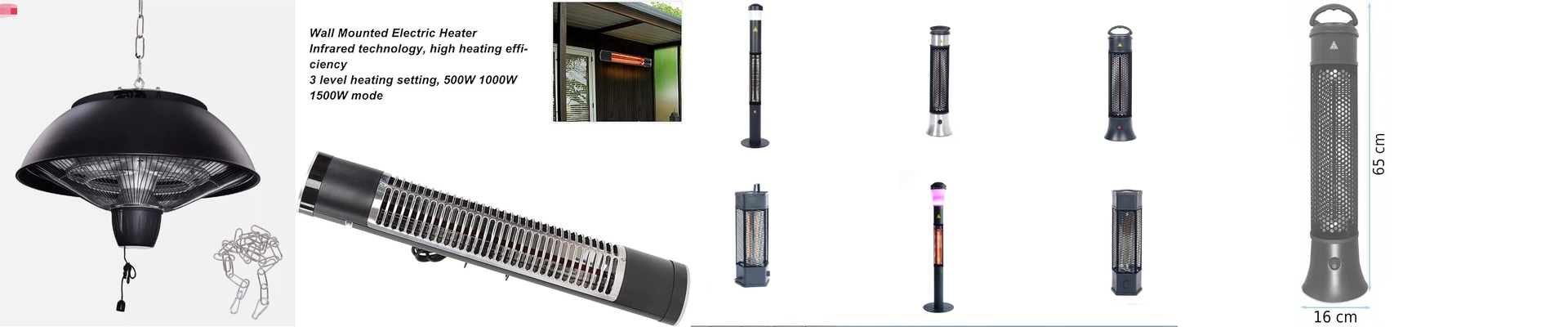
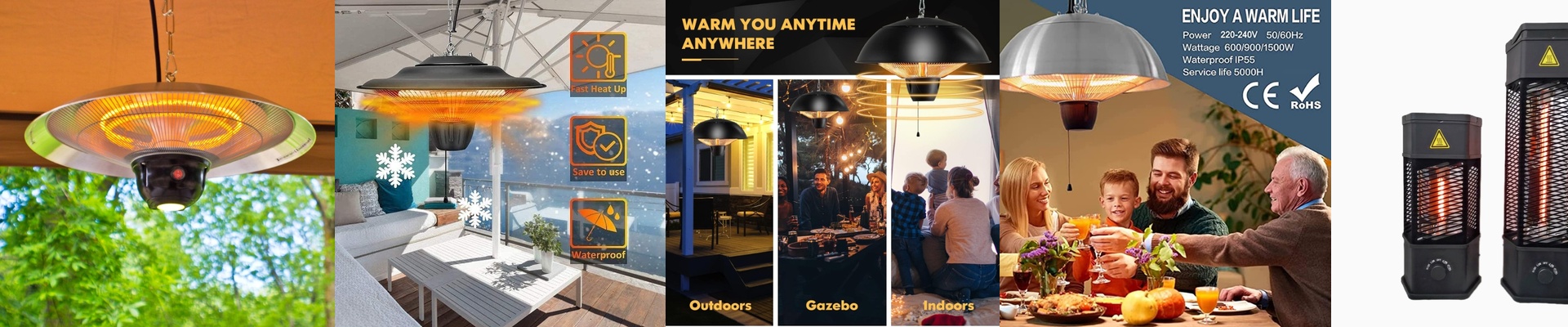

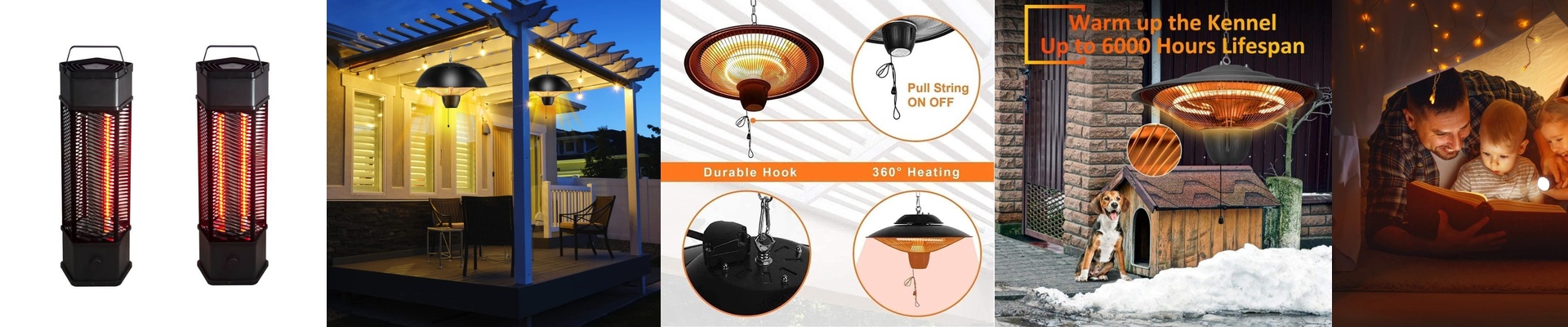
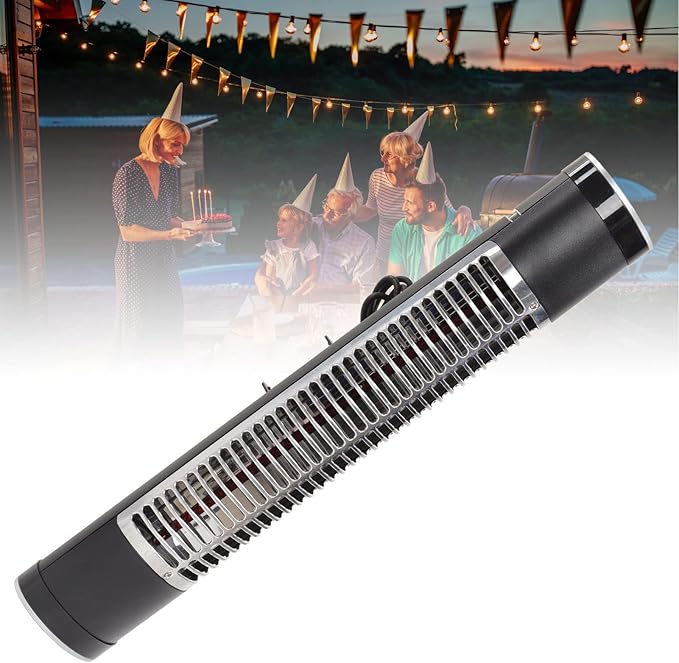
In a nursery, comfort isn’t just about temperature—it’s about the air itself. When you’re calming a newborn or keeping a toddler snug, a heater that whooshes, clicks, or dries out the room can turn reassurance into a problem. That’s why a lot of families lean toward a smart electric heater built around infrared warmth: quiet, clean, and it doesn’t burn oxygen.
What matters, under the hood
Infrared smart electric heaters deliver radiant heat. They warm people and surfaces directly, instead of pushing around heated air. Inside, you’ll usually find a carbon fiber element or a quartz tube producing short-wave infrared. That energy travels outward at the speed of light and turns into gentle warmth the instant it hits skin, clothing, and furnishings. Because the air isn’t being forced and reheated, oxygen isn’t being consumed and humidity stays more stable. Add smart controls—built-in thermostat, timer, and app or voice options—and you get precise, set-it-and-forget-it comfort. Safety features matter here, too. Tip-over protection, overheat cutoff, and a cool-touch housing keep day-to-day use predictable.
Why this works in a nursery
When there’s an infant in the house, silence isn’t a perk—it’s part of sleep support. Infrared heating has no fan noise, no cycling clicks, and no drafts stirring up dust. It also avoids the oxygen draw you get with combustion heaters, so the room air stays closer to its natural balance. The payoff is steadier comfort during nighttime feedings, naps, and playtime—fewer temperature swings and less of that dryness that can irritate sensitive noses. Smart scheduling lets you pre-warm before bedtime, then back off for the night. You keep the space cozy without constant adjustments.
The practical details—what to keep in mind
Infrared warmth is directional, so placement matters. Position the unit where it can “see” the crib and the main play area, and keep the recommended clearances from curtains, bedding, and furniture. Most smart electric heaters plug into a standard outlet, but they run best on a dedicated circuit. That helps prevent tripped breakers during long runs. Because radiant heat warms people and nearby surfaces quickly, you may feel comfortable even at a slightly lower thermostat setting. Just remember: radiant heat doesn’t replace proper room ventilation. Occasional fresh air exchange still matters for overall indoor air quality.