
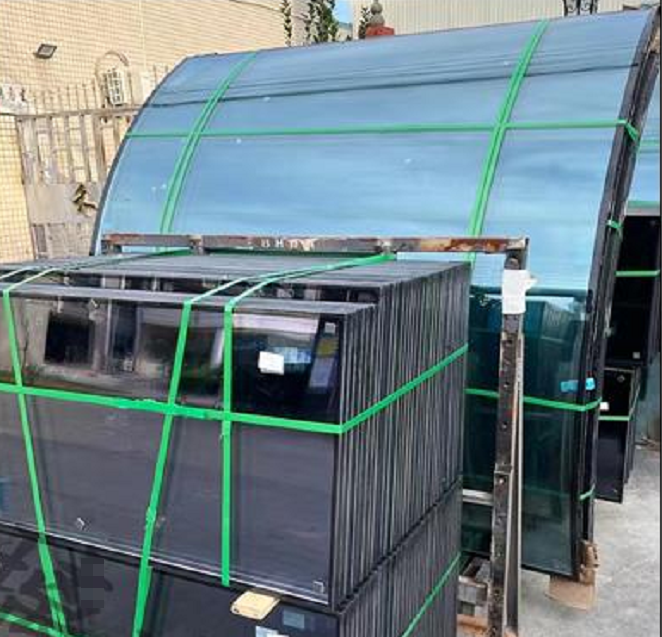
Getting the Heat Right in Weirdly Shaped Glass Furnaces
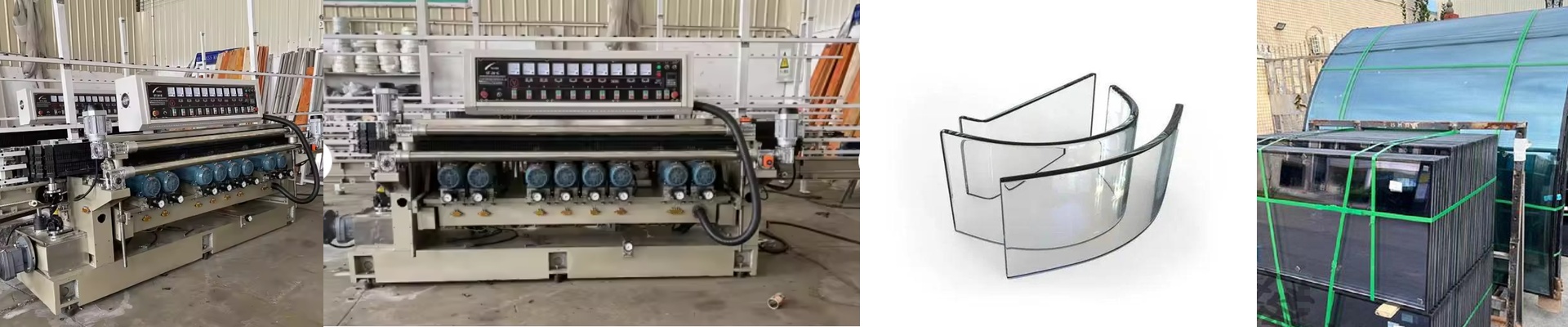
Let’s be honest: standard infrared lamps are great until they aren’t. The moment you’re working with a non-standard furnace—maybe it’s got a tight footprint or you’re bending some really odd glass shapes—those “off-the-shelf” lamps start to fail you. You end up with cold spots. And when your heating array doesn’t actually match the curve of the glass, you get uneven tempering and those annoying optical distortions that ruin a piece.
Making Lamps That Actually Fit
We don’t believe in “close enough.” We build our infrared lamps to your exact lengths and shapes so you can finally get rid of those gaps. By tweaking the quartz tube dimensions, you can cram more heating elements into a cramped chassis without it feeling forced. It’s not just about making the lamp fit in the hole; it’s about making sure the heat actually hits the glass where it needs to. We stick with short-wave infrared for this. It punches through the glass quickly, getting the material to that softening point without wasting a ton of energy heating up the furnace walls.
The Give and Take of Custom Design
Now, tighter layouts are great, but you have to be careful with power density. Here’s the thing: if we shorten a lamp but keep the wattage high, the heat gets way more concentrated. It’s powerful. Really powerful. But you’ll need to make sure your control system can keep up with that rapid ramp-up so you don’t accidentally overshoot your target temperature. To handle the stress, we use high-purity quartz. It can take the thermal shock of cycling on and off without cracking. Plus, we make the connections fit your current wiring. You just swap them in. No need to rip out your entire electrical system.
Solving the Layout Puzzle
Custom lamps are basically the cure for “dead zones” in irregular furnaces. You can put the heat exactly where the glass curve is the sharpest. That’s how you get a uniform finish. There is a catch, though. Since these aren’t generic parts you can grab from a catalog, your maintenance needs to be a bit more intentional. I always suggest keeping about 10-15% spares on the shelf. That way, when a tube eventually burns out, your line doesn’t grind to a halt while you wait for a replacement.