
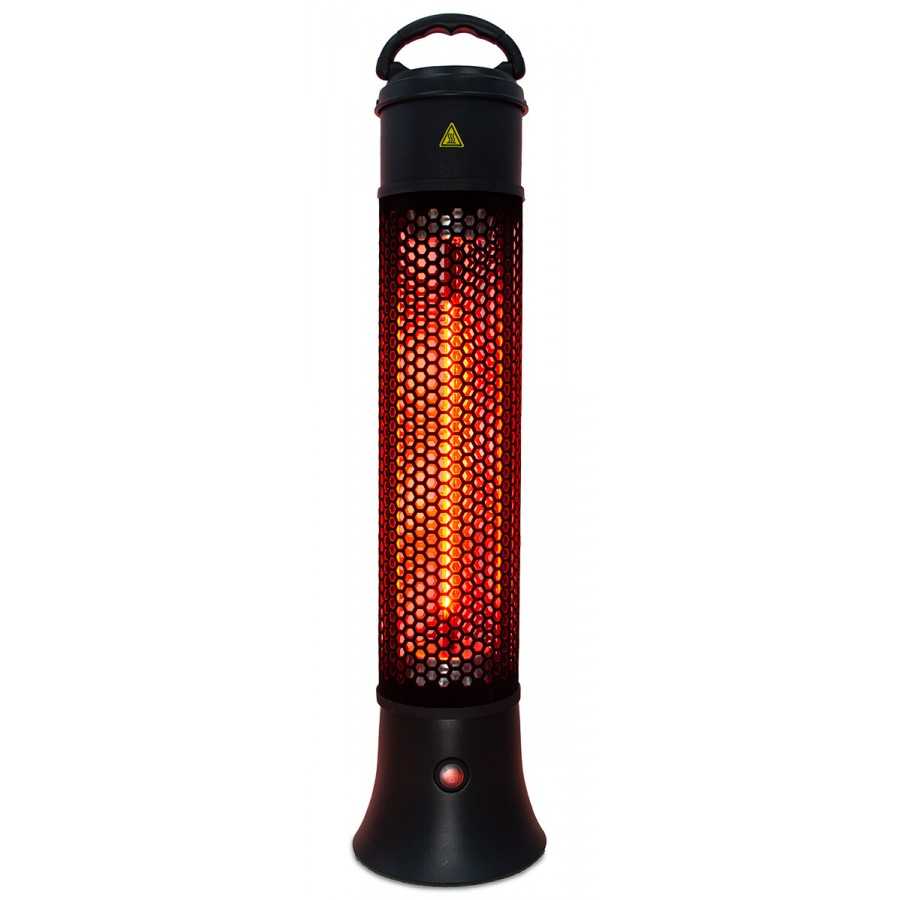
Why Most Bathroom Heaters Die (And How We Stop It)
Let’s be honest: bathrooms are a nightmare for electronics. Between the thick steam and the random splashes of water, it’s basically a torture chamber for heating elements. Most heaters just can’t take it. They oxidize, they short out, and they end up in a landfill way too soon. We wanted to build something that actually lasts. The battle against steam Here is the problem with quartz tubes: they hate sudden temperature changes. When a tiny drop of cold condensation hits a scorching hot tube, it causes “thermal shock.” This creates microscopic cracks in the glass. Once that happens, the halogen gas leaks out, and the lamp is dead. Just like that. To stop this, we use anti-fog coatings and tight housing seals. It keeps the moisture away from the filament so the heat stays steady. No cracks, no leaks, no dead heaters. Keeping the water out Water getting into the circuitry is the fastest way to trip your breaker—or worse. It’s the number one reason these units fail. We don’t take chances here. We use heavy-duty gaskets and sealed enclosures to keep the internals bone-dry. By isolating the electrical terminals, we make sure there’s no “bridge” for moisture to jump across. You can take your shower without worrying about the electronics giving up the ghost. The tricky part: Breathing There is a catch, though. When you seal a unit tight to keep water out, you accidentally trap the heat inside. It’s a bit of a balancing act. That’s why the installation part is so important. You need to give the unit some breathing room. If the internal cooling fans can’t move air, the components will overheat, regardless of how waterproof the shell is. Give it some space, and it’ll stay happy. The little details We also spent a lot of time on the spot where the lamp meets the socket. Most brands use cheap metals that rust the moment they hit a steamy room. We switched to corrosion-resistant alloys. It sounds like a small tweak, but it’s the difference between a heater that dies after two winters and one that just keeps working.