
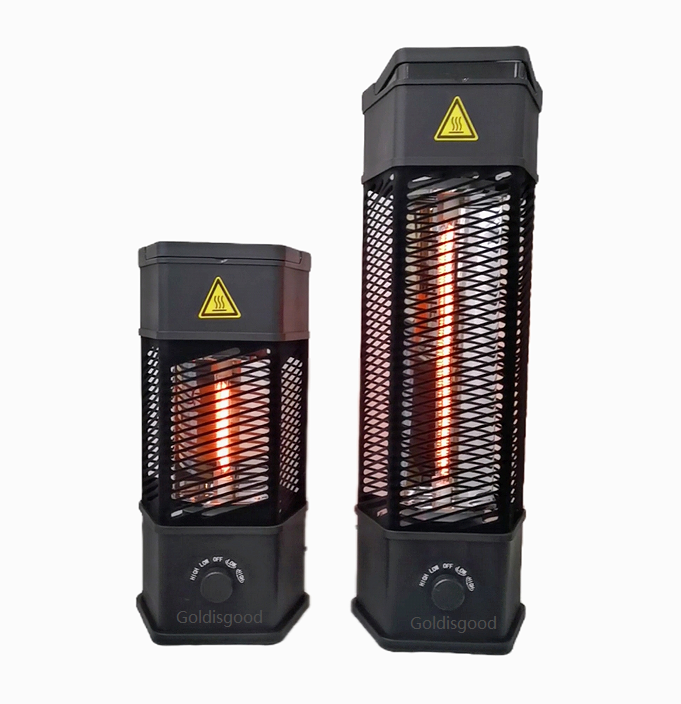
Why Your Bathroom Heater Needs “Explosion-Proof” Quartz
Let’s be honest: bathrooms are a nightmare for electronics. You’ve got thick steam, random water splashes, and those brutal temperature swings when you step out of a hot shower into a cold room. It’s a recipe for disaster. If a single drop of cold water hits a quartz lamp that’s glowing at several hundred degrees, the glass doesn’t just crack. It can shatter. Fast. The “Explosion-Proof” Secret Now, when we say “explosion-proof,” it doesn’t mean the lamp is invincible. It just means we’ve planned for the worst. Standard quartz is brittle. To fix that, we wrap these tubes in a specialized mesh or a protective coating. Think of it like a safety net. If the tube does crack or burn out, the mesh catches the shards and keeps them locked in place. Instead of glass spraying across your bathroom, everything stays put. It’s a simple fix that saves you from a very bad morning. Getting That Instant Heat We use short-wave infrared for these lamps. The goal here is simple: you want to feel the heat on your skin the second you flip the switch, not wait for the air in the room to warm up. To get that kind of punch, these tubes run at high wattages. It feels great, but it puts a lot of stress on the glass. That’s why the material has to be top-notch—it needs to handle intense heat without warping or expanding too much. A Few Tips for the Install If you’re wiring these in, double-check your housing. Make sure it’s rated for the wattage you’re using. Here’s the thing: high-output tubes get incredibly hot at the terminals. If your enclosure doesn’t breathe or have proper venting, you’re basically slow-cooking your internal wiring. Not ideal. And just a heads-up—these things aren’t forever. Quartz eventually wears down. Even with the halogen cycle helping things along, moisture will eventually find its way into the seals. My advice? Give your seals a quick look every year. Just make sure that protective jacket isn’t corroding, and you’ll be good to go.