
Getting Rid of the Bathroom Chill
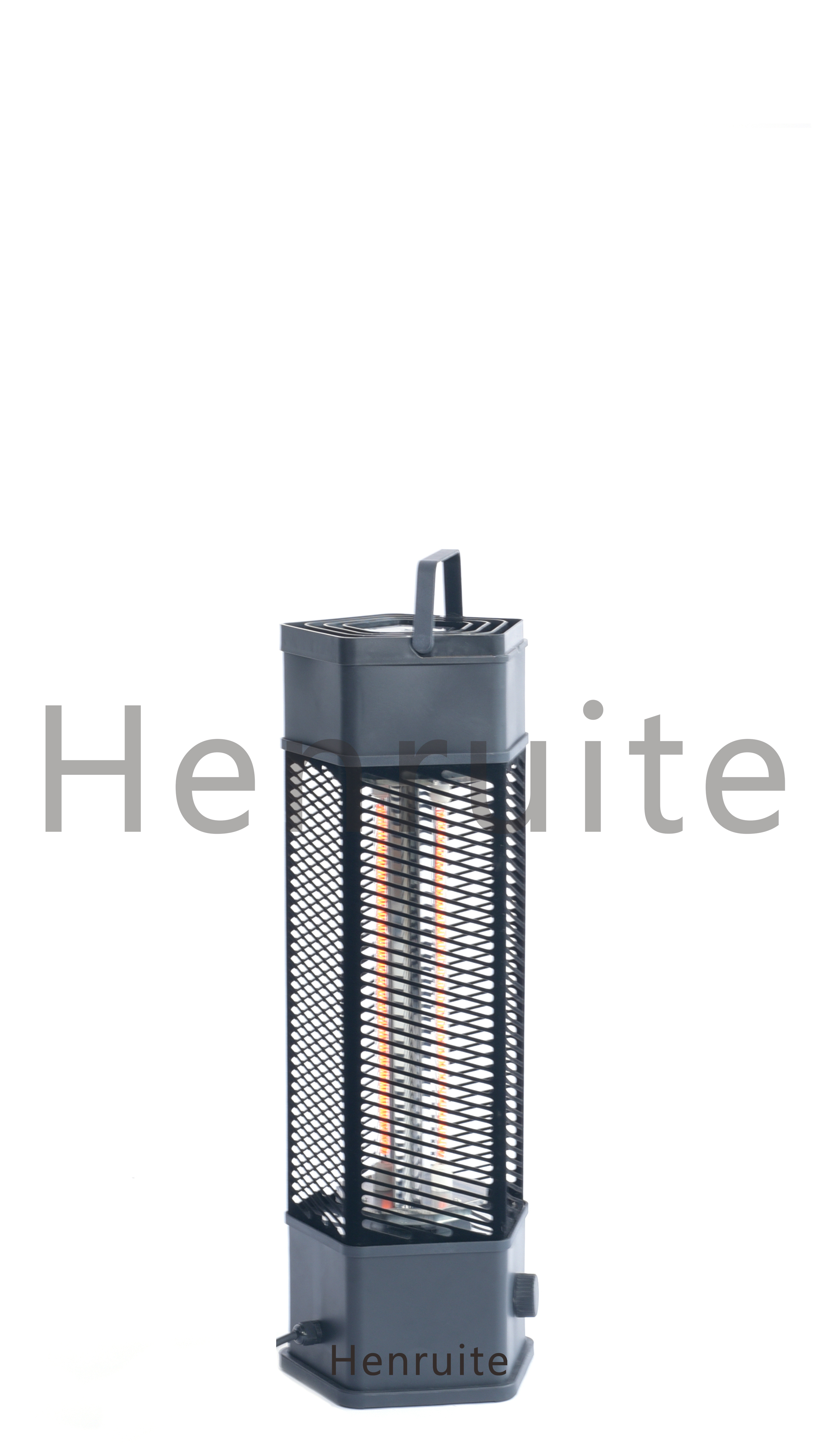
Nobody likes that shock of cold air when you’re getting dressed in the morning. We’ve all been there. To fix this, we use shortwave infrared (SWIR) emitters. Most heaters try to warm up the air in the room, which takes forever. These lamps are different. They send heat directly to your skin and the surfaces around you. It’s almost instant. You flip a switch, and you feel the warmth immediately. How it actually works Inside the lamp, there’s a tungsten filament wrapped in quartz. Once the power hits, that filament gets incredibly hot and shoots out shortwave radiation. The cool part? This kind of heat doesn’t need to “travel” through the air to get to you. It just hits you. We use high-wattage bulbs so there’s no waiting around for a heat exchanger to wake up. It’s just on. Fitting it into the design Putting these behind a mirror is a bit of a balancing act. We use quartz glass because it lets the infrared light pass right through. If you try to use regular glass, the heat just bounces back, and the lamp will burn itself out pretty quickly. For the wiring, we stick to R7s or Sk15 connectors—basically, stuff that stays put and doesn’t wiggle loose. We keep everything slim so the hardware stays hidden behind the mirror frame. And since nobody wants to be blinded by a bright light while brushing their teeth, we often add a special coating to the tubes. It keeps the heat but kills the glare. The tricky parts Of course, there are some trade-offs. These lamps pull a lot of power. You can’t just plug them into any old circuit; you need wiring and breakers that can handle that first big surge of electricity. Then there’s the heat itself. Because it’s so intense, we build in thermal cut-off switches. If you don’t leave enough breathing room or a proper heat sink behind the mirror, the whole housing could actually warp. It’s a bit of a tug-of-war: you want that cozy warmth for the user, but you have to make sure the chassis doesn’t melt in the process.