Stop the Chipping: Why Infrared Preheating Actually Works
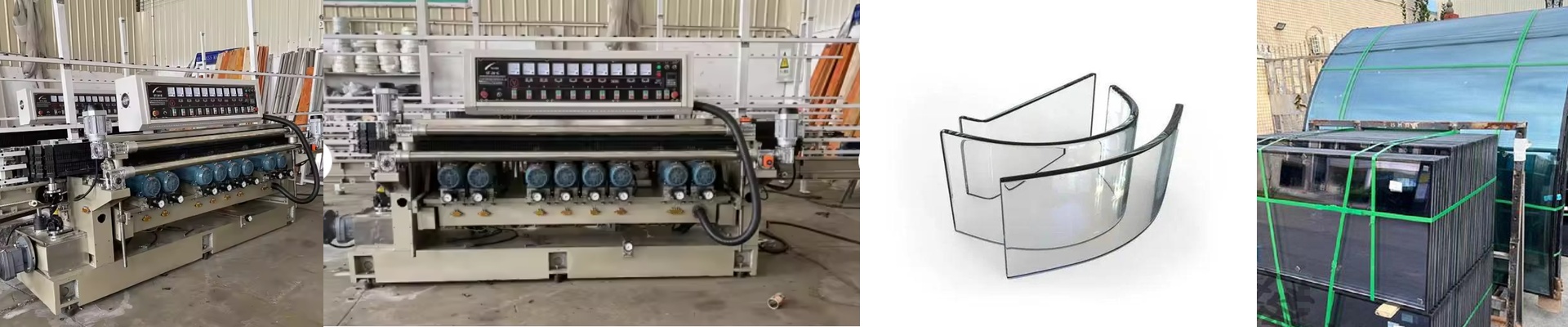
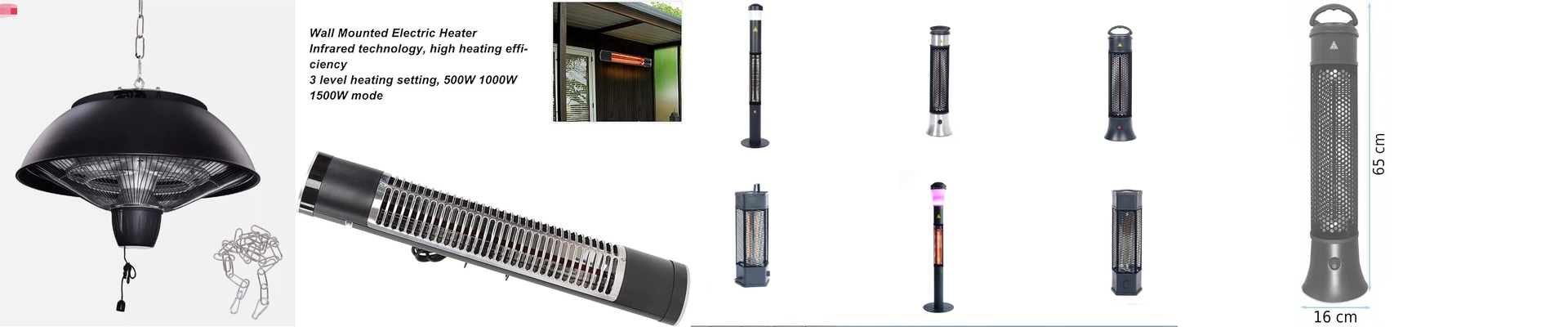
Ever get that frustrating “corner breakout” when you’re cutting glass? You know the one. You drive the tool in, but instead of a clean snap, the fracture wanders. You end up with jagged edges and wasted material. It happens because cold glass is just stubborn. It’s brittle, full of internal tension, and it doesn’t want to cooperate. The trick is to warm things up first. We use infrared (IR) preheating elements to relax the glass before the blade ever touches it. The logic is pretty simple. Infrared lamps don’t waste time heating up the air in the room; they dump energy straight into the glass. This quick “thermal soak” softens the surface layer just enough to kill that internal stress. Suddenly, you aren’t fighting the material. The break stays linear. No more jagged edges. Just a clean, satisfying snap. Picking the right gear We usually go with short-wave quartz lamps. Why? Because they actually penetrate the glass rather than just bouncing off the surface. We push for high power density here because you need the glass to hit the right temperature in seconds. If it takes minutes, you’ve already lost your production rhythm. But you have to balance the wattage with your line speed. If your conveyor is flying, you’ll need more power or more lamps to keep the heat consistent. Just be careful not to go overboard. If you crank the heat too high, you’ll get thermal shock—which means the glass cracks before it even hits the cutter. Not exactly the result we’re looking for. The real-world setup Nobody likes downtime, so we make these elements easy to swap. Most use standard connectors. If a tube burns out, you just pull it and wire in a new one in a few minutes. Simple. One heads-up, though: these arrays gethot. Like, really hot. You can’t just bolt these into a frame and call it a day. You’ll need proper shielding and some decent cooling fans, or you’re going to fry your wiring and control electronics. Also, pay attention to the gap between the lamp and the glass. Get that distance right, and you avoid those annoying hot spots that mess up your cuts.