
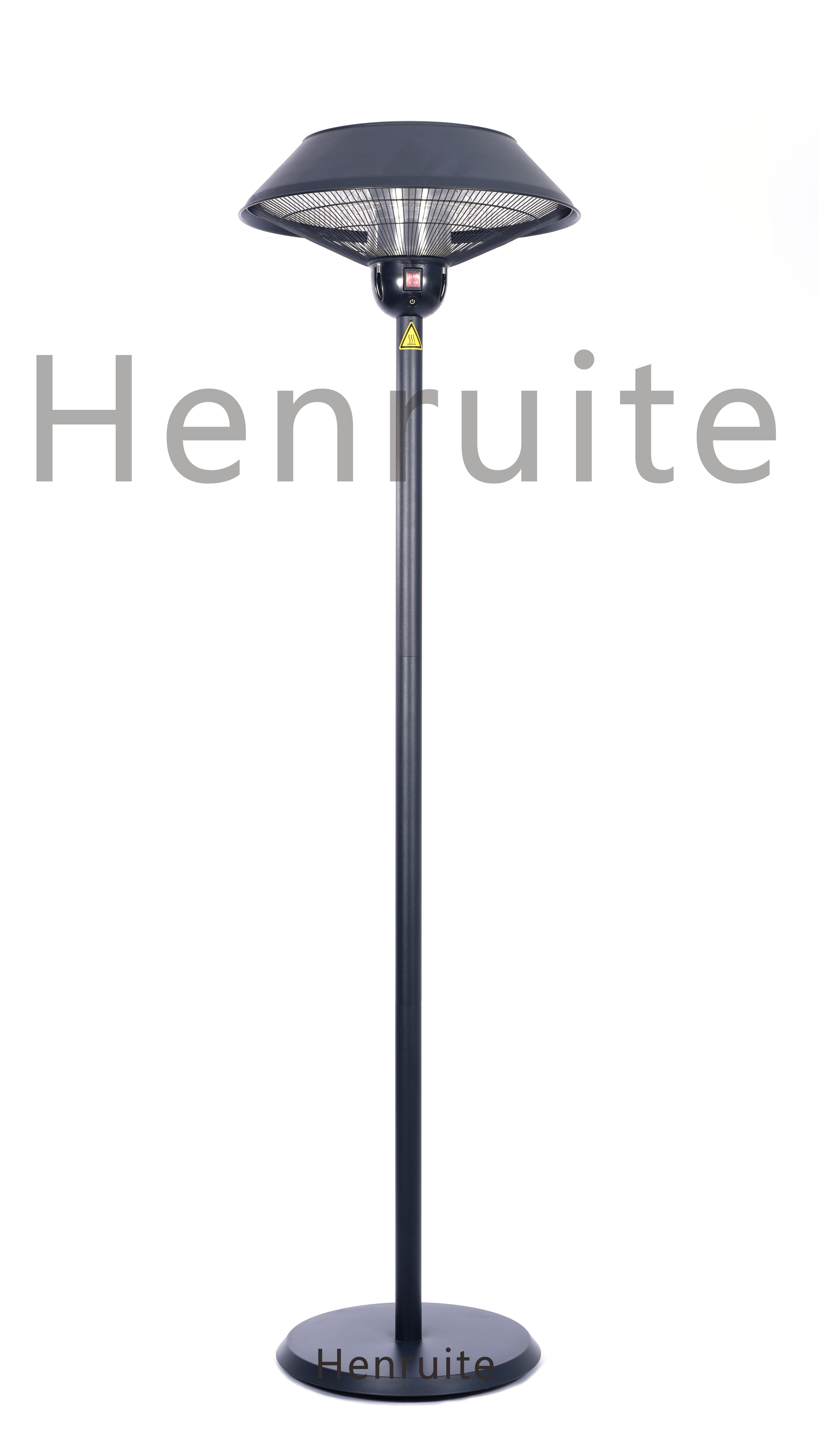
Building a Bathroom Heater That Actually Holds Up: The IP65 Infrared Story
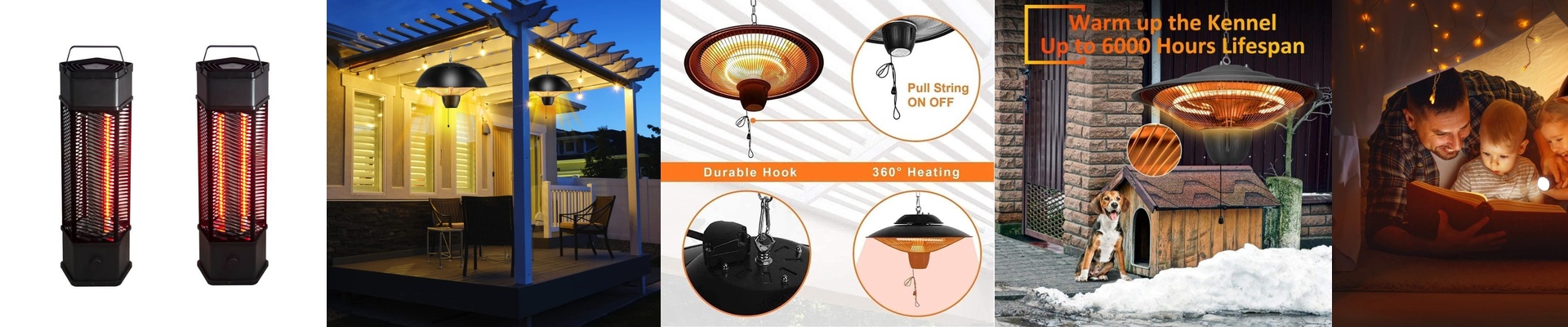
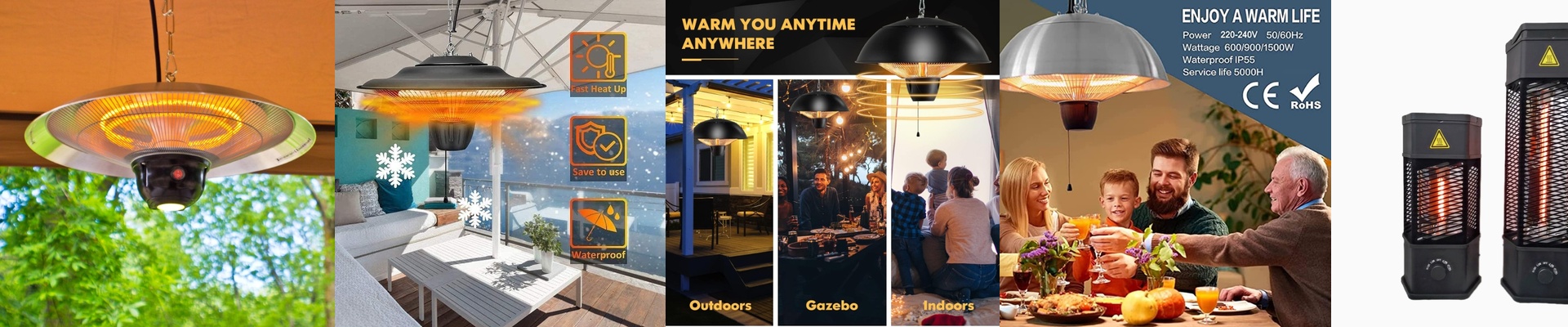
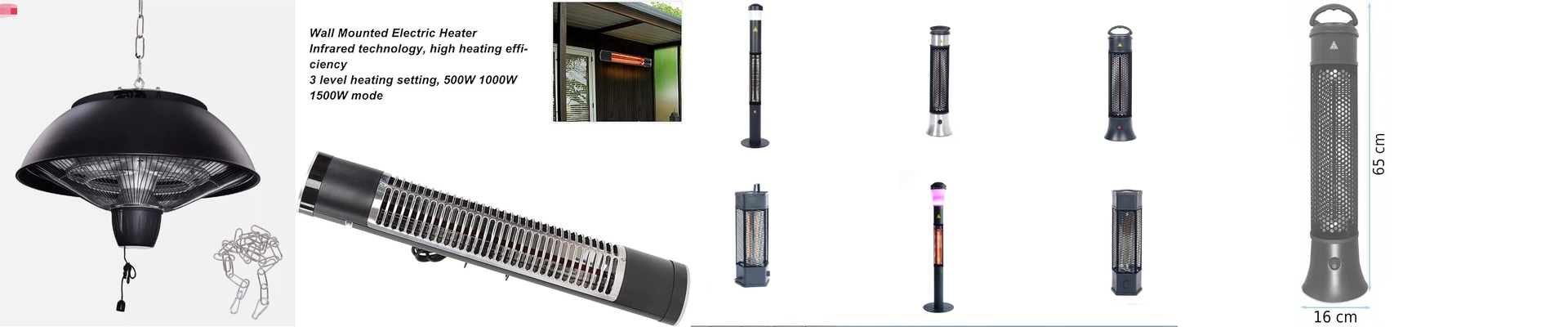
We built these IP65 infrared electric heaters for one simple reason: moisture doesn’t take days off. They’re made for bathrooms and other wet spaces where the air is constantly trying to get into the electrical bits. The whole point? Give you that high-density radiant warmth, without turning the heater into a safety risk. It’s heat you can feel—right away—paired with electrical protection you don’t have to think about.
Power, voltage, and the practical details that matter
We design these heaters to run on standard industrial voltages, so they plug into what’s already there. No extra transformer. No complicated rewiring. The wattage is tuned to deliver serious warmth from a compact footprint. You get a zone heated quickly, without over-specing the unit or wasting energy. And the size? Not random. The tube length and diameter are chosen to hold the heating element and reflector the right way, so the heat spreads where you need it. A longer tube gives you a wider pattern—but it takes more room. So we size it for the job, not the other way around.
Reliability comes down to materials and the way it’s sealed
If you want a bathroom heater that doesn’t get nervous around humidity, you start with the right materials. We use a high-grade quartz tube. It handles rapid heating and cooling without cracking, and it provides serious dielectric strength—meaning it keeps electricity where it belongs, not leaking to the outside. Inside, the halogen element is sealed in an inert environment. That protects it from oxidation and keeps output steady over time. And the IP65 rating isn’t just a sticker. It’s a physical seal. The housing and end-caps are built to stop water jets and keep dust out. The connector interface—often a tough R7s or SK15 type—is designed to lock in tight, so moisture can’t sneak into the terminals. That’s how you keep the electrical isolation intact.
What this solves in real life
Bathrooms are tough. Condensation. Splashes. Steam that never quits. An IP65 infrared heater handles it by keeping the electronics dry while the radiant heat warms objects and people directly, instead of just heating the air. The result? Faster warmth, and less energy lost to evaporating moisture. For you, it means a drop-in replacement that’s built to take the beating of a wet space. This isn’t a delicate component—it’s a workhorse. There is one practical trade-off: the high-density infrared element runs hot. So plan for proper clearance and airflow around the mounting area. Do that, and it’ll keep running reliably for years.