Stop Your Glass Jewelry From Shattering
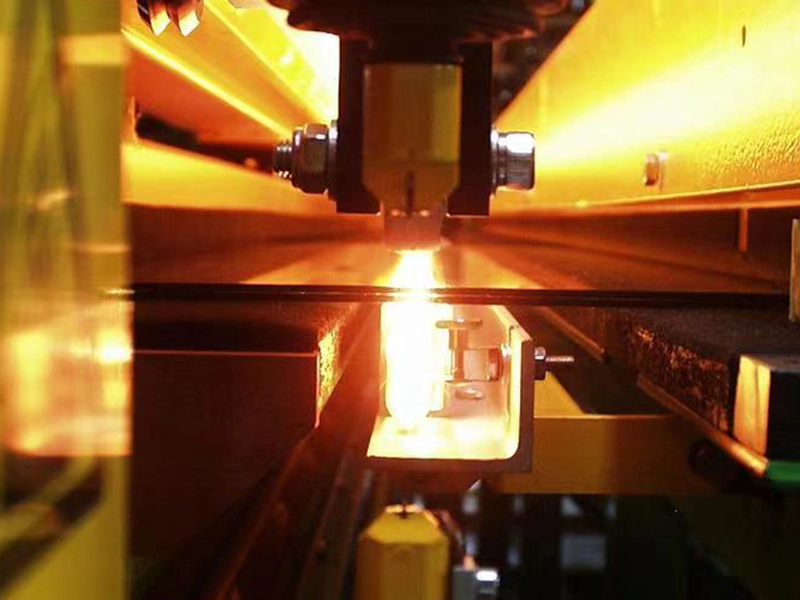
Anyone who’s worked with glass knows that feeling of dread when you hear that tiny ping. You think you’ve got the temperature right, but then a piece you spent hours on just cracks—or worse, explodes—because of internal stress. It all comes down to thermal shock. If you rush the heating or cool things down too fast, the glass fights itself. To stop that, we use shortwave infrared (IR) lamps. The best part? They react almost the second you tell them to. Why IR lamps actually work Most heating elements are slow. They hold onto heat like a brick, which makes it a nightmare to be precise. IR lamps are different. They use electromagnetic radiation, which means when you turn the dial back on your controller, the heat dropsright now. No lagging. No overshooting the temperature. You get a smooth ramp up and down, which is exactly what your glass needs to stay stable. The nitty-gritty on the gear When you’re making jewelry, you don’t have a ton of space. You need lamps that pack a punch in a small footprint. We go for high wattage and quartz envelopes—this keeps the heat moving into the glass rather than getting trapped in the lamp itself. You’ll probably see R7s or SK15 connectors on these. They’re the standard for a reason: when a tube burns out in the middle of a project, you can swap it out in seconds. One quick tip:**Check your sockets.**If the fit is loose, you’ll get an arc. That’s a fast track to melting your entire housing, and trust me, you don’t want that. The catch Here’s the thing: all that power creates a lot of ambient heat. If you cram a 2000W array into a tiny box without any airflow, you’re basically building an oven for your electronics. Your control boards will fry. You’ve got to invest in decent cooling fans or heat sinks to bleed off that waste heat. It’s a bit of a trade-off, but it’s the only way to get the kind of precision you need for jewelry-grade annealing.