

Stop the Chipping: Why Infrared Preheating Actually Works
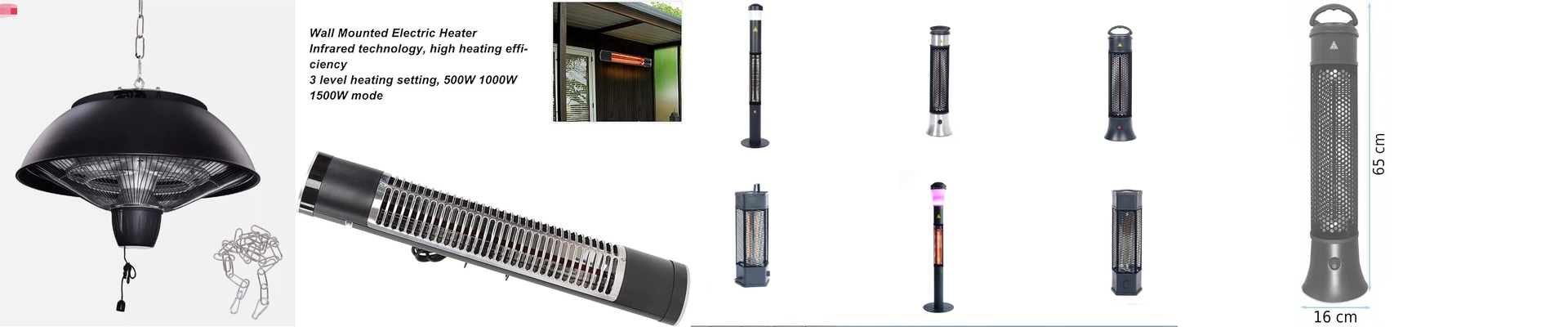
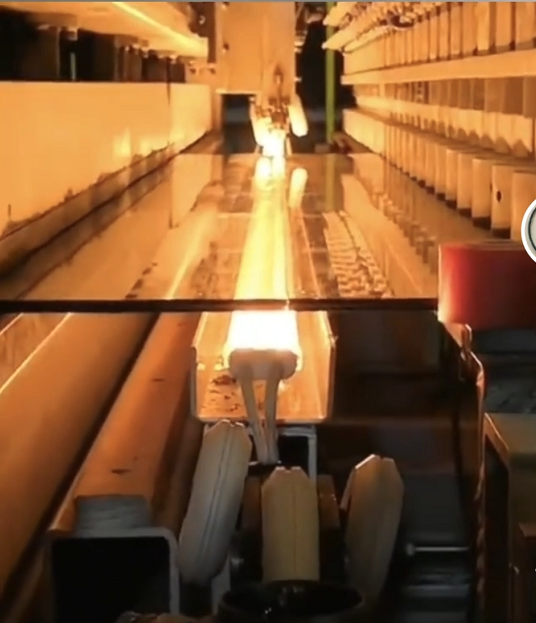
If you’ve ever cut glass at room temperature, you know the frustration. You score it, you break it, and then you see those jagged little chips or a corner that just snapped off. It’s annoying. It happens because the glass is under a ton of internal tension, and when you hit it with a cutting head, that stress has to go somewhere. Usually, it goes right into the edge. We’ve found that infrared (IR) preheating is the way to fix this. Here is the deal: when you warm up the glass surface before the cut, the material relaxes. It becomes a bit more ductile. Instead of the crack jumping around and creating those messy chips, it follows a straight, clean line. You get a break that’s actually smooth. But you can’t just throw a random heat lamp over the table. If you use a basic lamp, you’re wasting half your power because the heat just floats up into the ceiling. That’s why we use reflectors—usually high-purity aluminum or gold-coated—to bounce every bit of that energy straight down onto the glass. You also need short-wave IR. This is important because it hits the surface fast. It keeps the heat exactly where the cut is happening, rather than heating up your entire machine bed. And be careful with your reflectors. If they aren’t specced right, you’ll get cold spots. That uneven heating is a nightmare—it can actually make the glass crack before you even start cutting. Of course, there’s a bit of a balancing act here. Sure, you could just crank up the wattage to speed things up, but your power supply might not like that. You have to make sure your wiring can handle the draw, or you’ll end up with overheating terminals. Then there’s the temperature itself. If you get the glass too hot, it starts to warp. You have to find that “sweet spot” between how hot the lamp is and how fast the conveyor is moving. If you overshoot it, you risk thermal shock the moment the glass hits the cooling stage. It takes a little tweaking, but once you hit that window, the difference in quality is night and day.