Why You Need IP55 Infrared Heat for Wet Zones
Let’s be honest: most heat lamps just can’t hack it in a bathroom. Between the steam and the splashes, they usually end up corroding or shorting out way faster than they should. That’s why we’ve started moving toward IP55-rated infrared heaters. They’re actually built for the humidity.
What “IP55” Actually Means for You
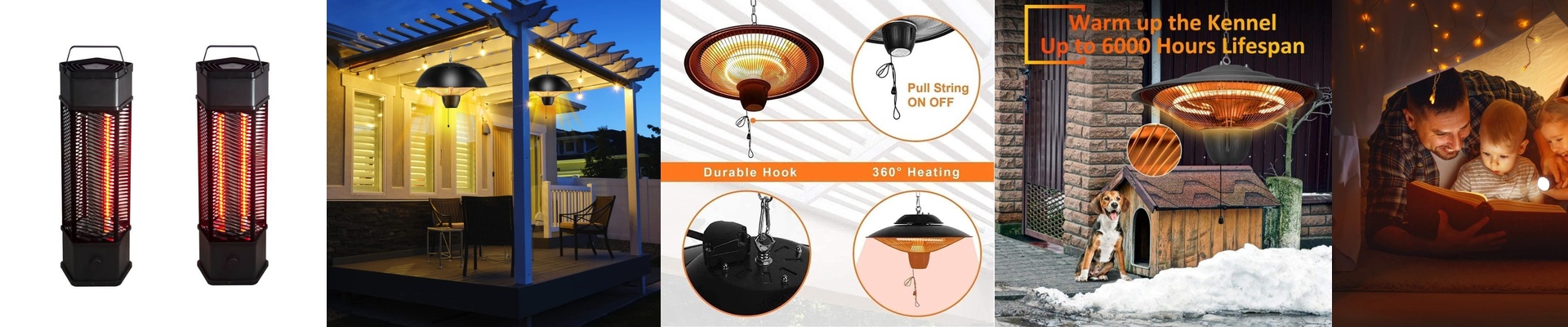
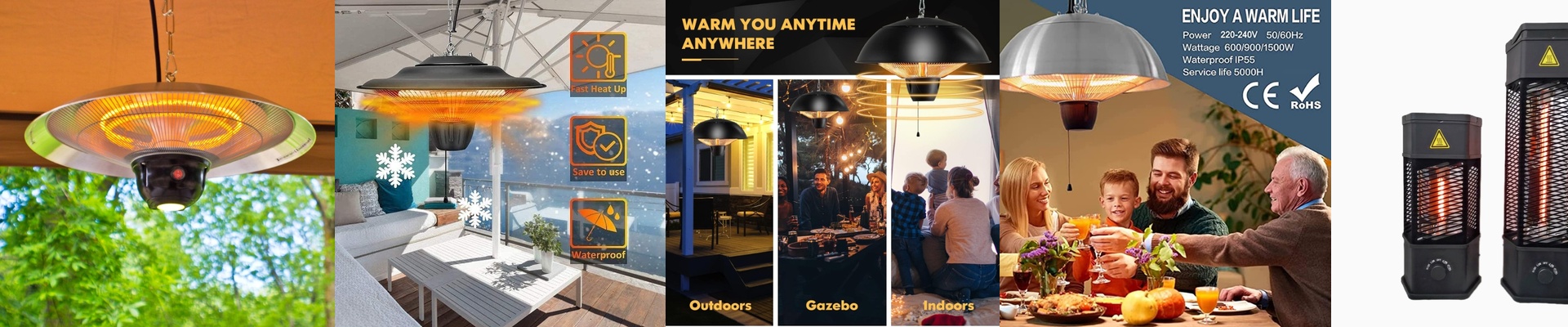
If you see IP55 on a spec sheet, it basically means the unit can handle dust and low-pressure water jets coming from any angle. In a bathroom, steam is your biggest enemy. It creeps into everything. We use sealed gaskets and moisture-resistant housings to keep the guts of the heater bone-dry. It stops that annoying “burn out” you get with cheap lamps when condensation builds up on the element. It just lasts longer. Simple as that.
The Magic of Infrared
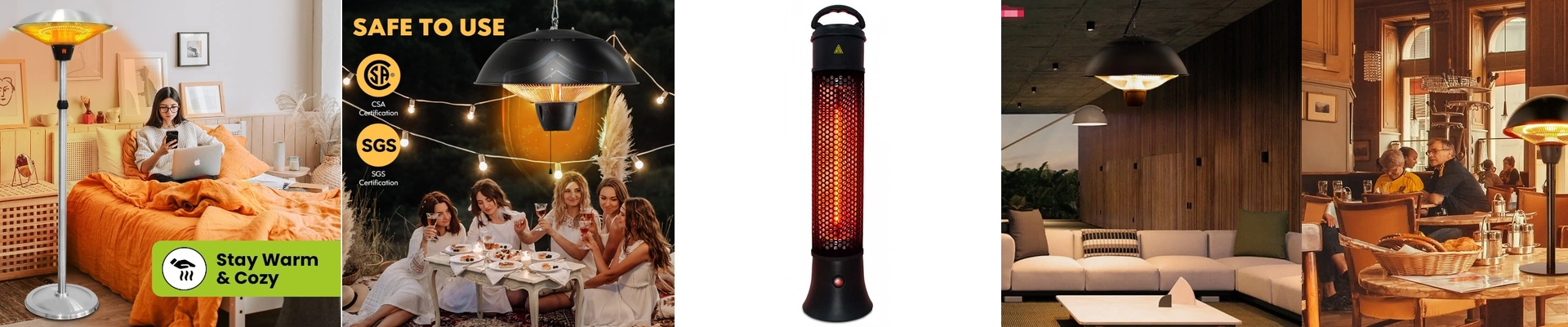
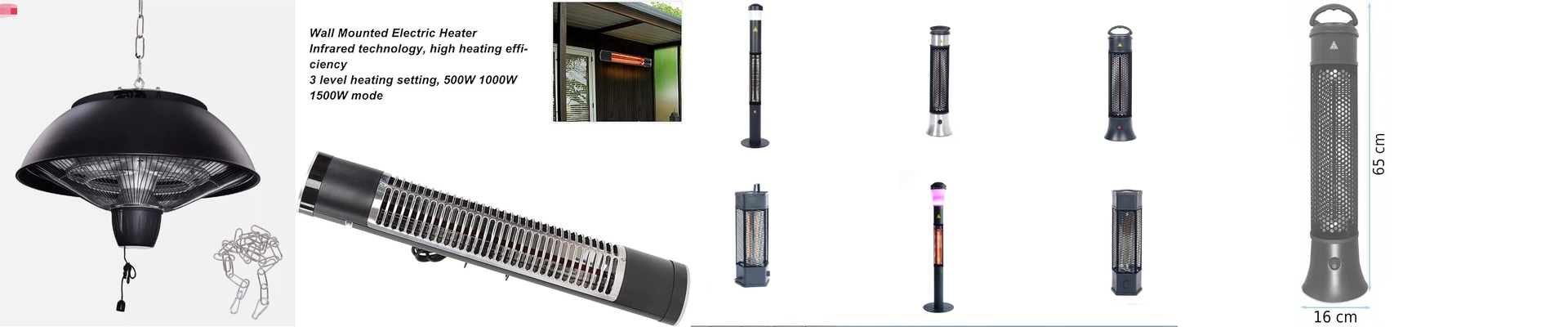
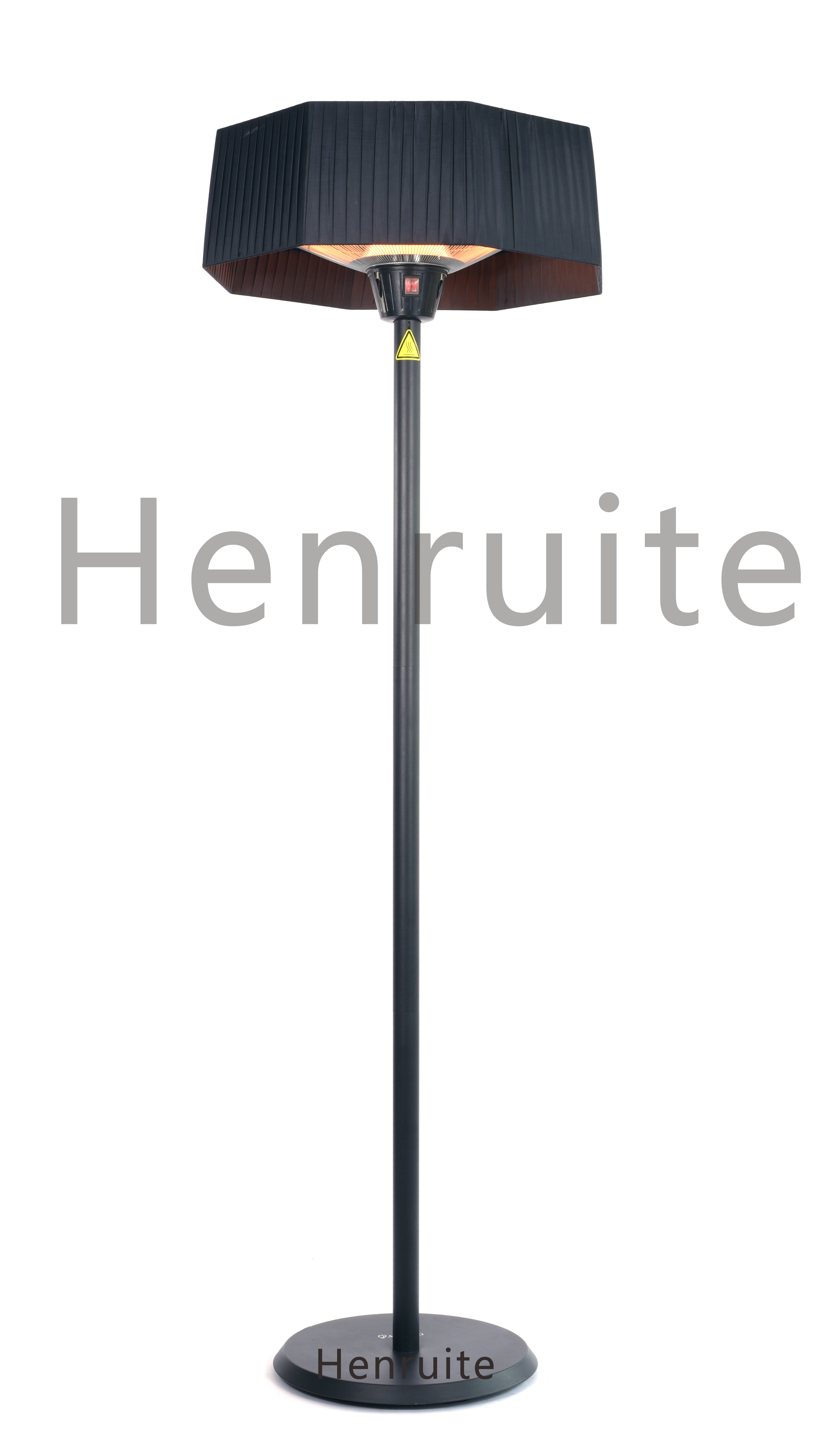
Here is the thing about traditional heaters: they try to warm up the air. But if you’ve got a drafty bathroom or someone opens the door, all that warmth just vanishes. Infrared is a different beast. It doesn’t care about the air. It sends out waves that heat you and the surfaces around you directly. You feel the warmth the second you step under it. We use shortwave emitters for these. They pack a ton of heat into a tiny footprint, so you don’t need some giant, ugly machine hanging from your ceiling to stay warm.
A Few Things to Watch Out For
You can’t just plug these into any old outlet. You’ll need a dedicated circuit. These units pull a lot of power to get that instant heat, so make sure your breakers can handle the load. Nobody likes a tripped breaker in the middle of a shower. And a quick heads-up on placement: shortwave IR gets hot. Fast. If you mount it too low, it’s going to feel like you’re standing too close to a campfire. You’ll want to mount them high enough to avoid any accidental burns, or just throw on some guards. Get the height right, and you’ve got a setup that’ll outlive almost any other lamp on the market.