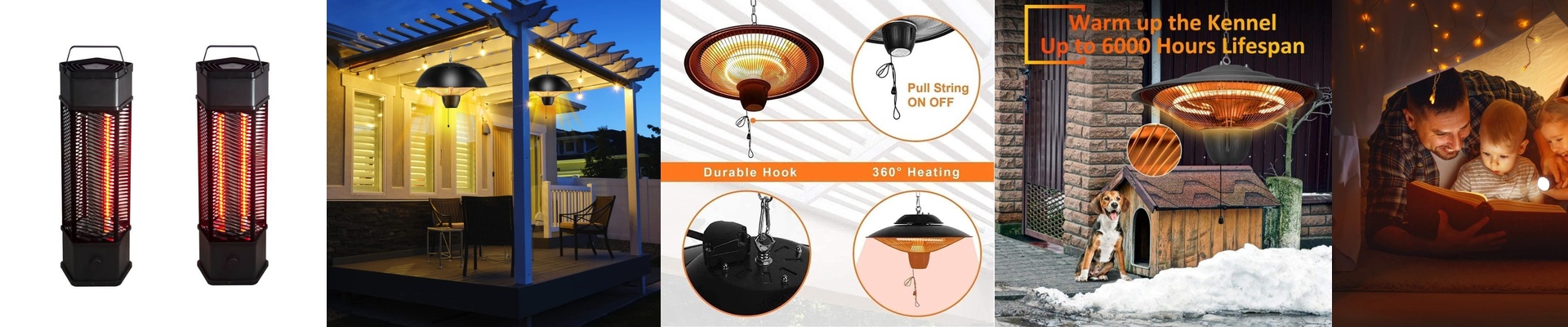
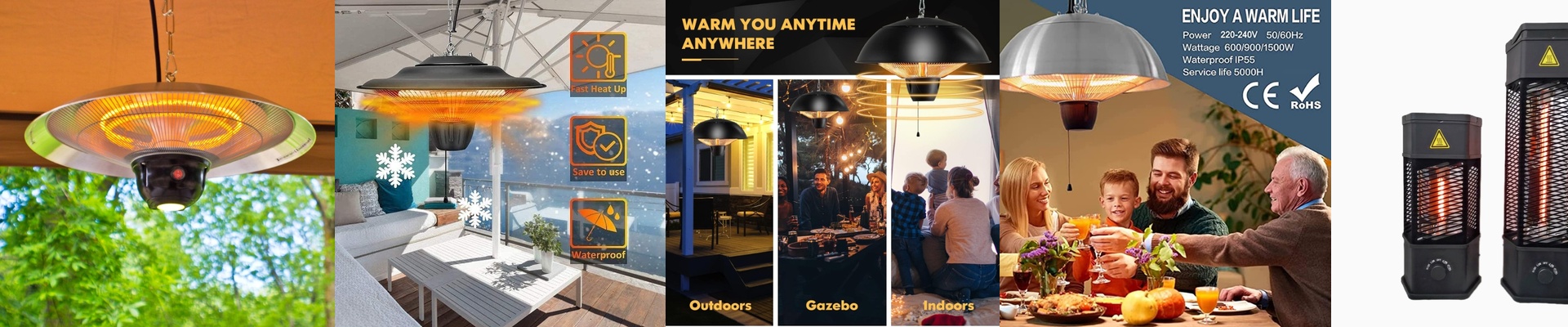
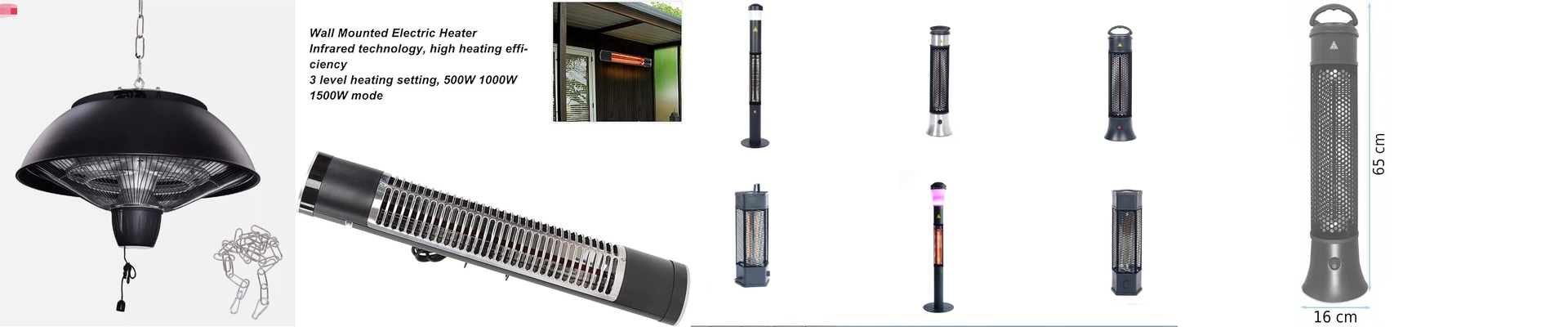
Keeping People Warm in Wet Zones (Without Breaking the Gear)
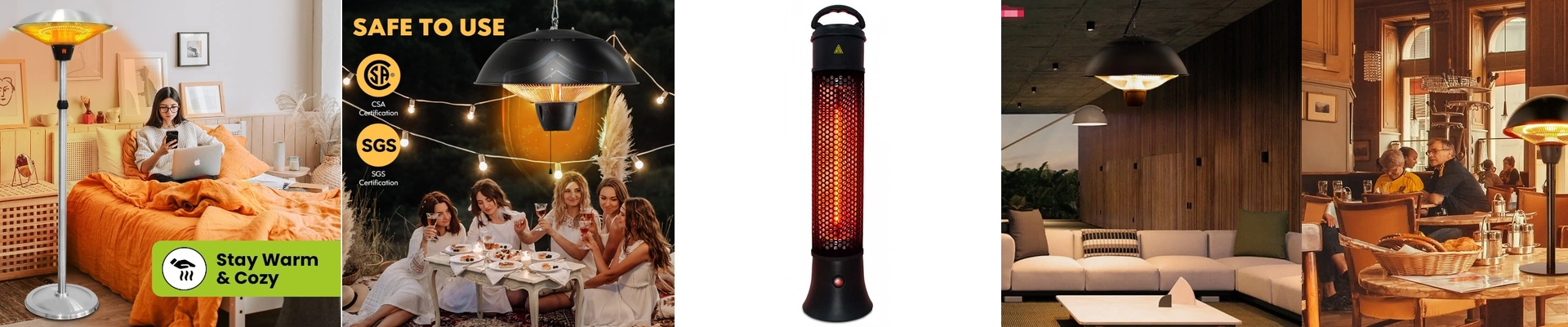
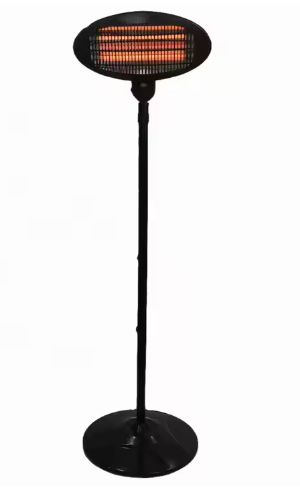
Ever tried to change your clothes in a locker room that feels like a walk-in freezer? It’s miserable. But for the people designing these spaces, it’s a nightmare. You have to get the temperature up fast, but you’re dealing with steam, splashes, and high humidity. If you aren’t careful, you’ll fry your electronics in a week. That’s why we lean on shortwave infrared. Most heaters just try to warm up the air, which is a losing battle in a drafty changing room. Infrared is different. It sends energy straight to the person. Think of it like stepping into a patch of sunlight on a cold day. You don’t wait for the breeze to warm up; you just feel the heat hit your skin instantly. It’s fast. Really fast. And it means you aren’t wasting energy trying to heat a whole room—you’re just warming the human standing under the beam. Dealing with the damp Water is the enemy here. To keep things from shorting out, we build these units to IP55 standards. In plain English? They’re sealed tight. Dust can’t get in, and if someone accidentally sprays a hose or steam builds up, the unit doesn’t care. We use high-temp gaskets and sealed cable entries to keep moisture away from the electrical guts. Plus, we use polished aluminum reflectors. These act like a mirror for heat, pushing it straight down toward the floor so it doesn’t just bake the ceiling. A few things to watch out for These units pack a punch, which means you have to be smart about where you put them. Because the heat is so concentrated, you can’t mount them too low. If you do, you’re not giving someone a warm glow—you’re giving them a sunburn. We usually suggest a minimum height of 2.2 meters to keep everyone safe and comfortable. One last tip: check your circuit breakers. When these things first kick on, there’s a quick surge of power. If your breakers are too sensitive, they’ll trip the moment the heat starts. It’s a small detail, but it saves you a lot of headaches on opening day.