
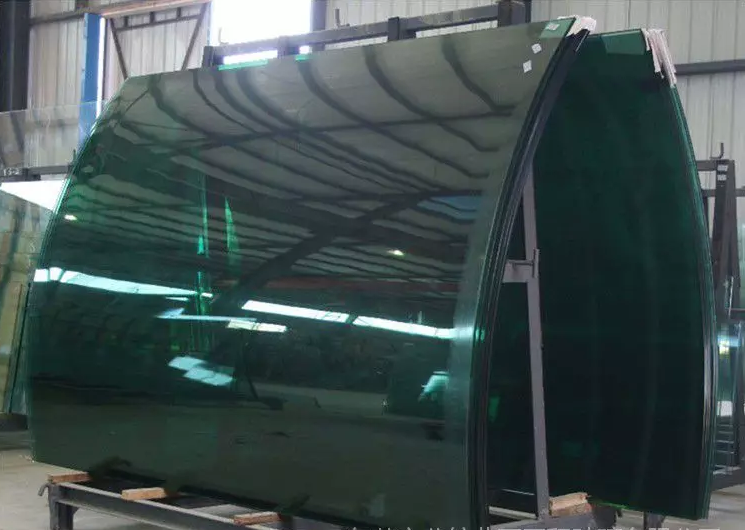
Stop Your Glassware From Shattering: The Secret is Fast Power
There is nothing worse than watching a batch of glassware crack because the temperature shifted too fast. It happens all the time—the jump from forming to the annealing lehr is just too abrupt, and snap. There goes your profit. To fix this, we use shortwave infrared (IR) lamps. Why? Because they react instantly. The trick is in the speed. Think about old-school resistive heaters. They hold onto heat long after you turn them off. IR lamps aren’t like that. The second you cut the power, the energy stops. When you pair these lamps with a high-frequency SCR or a PID controller, you can tweak the wattage on the fly. We’re talking milliseconds. By adjusting the power based on how thick the glass is or how fast it’s moving, you keep the surface and the core at a similar temperature. No internal stress, no shattering. Simple. Getting the hardware right For the heavy-duty lines, shortwave halogen quartz tubes are the way to go. They punch through the glass surface with a lot of concentrated energy. But you have to be precise with your power supply. If you under-power them, you get these annoying uneven heat zones. Over-power them? You’ll fry the filament. And a quick tip:**keep the tubes spotless.**I mean really clean. A single fingerprint or a smudge of oil creates a hot spot, and that’s how you end up with a cracked quartz envelope. A few things to watch out for Here’s the thing: these IR arrays pull a ton of power. If you’re running a bank of 2kW lamps, make sure your wiring can actually handle the peak current. If not, you’ll deal with voltage drops that mess everything up. Plus, remember that shortwave IR is directional. It’s like a flashlight. If your lamps are tilted just a few degrees the wrong way, you’ll get cold spots in your glass. And if you have cold spots, you’re right back where you started with the thermal shock.