Stop Wasting Power on Your Glass Annealing
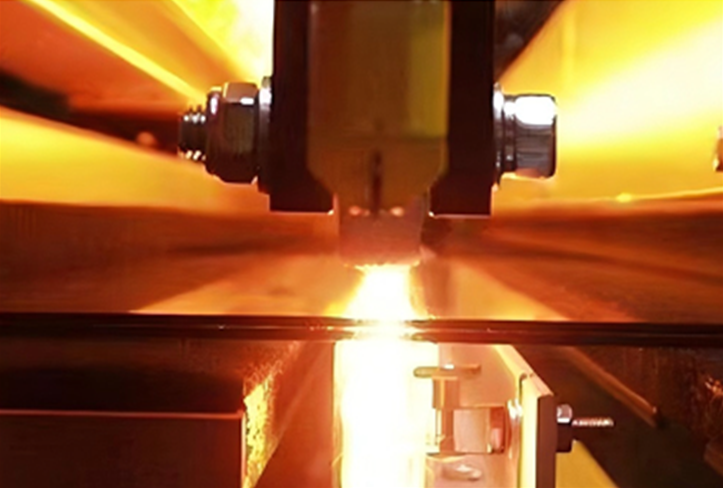
Let’s be honest: annealing is usually the biggest power hog in the entire plant. I’ve walked through plenty of facilities where the electricity bills are staggering, mostly because they’re using old-school heating elements. Those things are basically space heaters—they spend more time warming up the air and the oven walls than actually heating the glass. It’s a waste. Switching to infrared (IR) lamps changes the whole vibe of the process. Instead of heating the air and hoping that heat eventually reaches the glass, IR lamps use electromagnetic radiation. It hits the glass directly. We tune the wavelength so the glass actually absorbs the energy rather than letting it bounce off. The result? You hit your annealing temperature much faster. Your cycles get shorter, and your kWh per unit drops. It’s just smarter physics. We’ve built these lamps to take a beating. Lehrs are brutal environments, so we use quartz envelopes that won’t warp under high heat. This keeps the beam focused right where it needs to be. We also use shortwave emitters because they sink deep into the glass. You don’t want that “skin effect” where the outside is scorching but the core is still stressed and brittle. If you’re wondering about the install, it’s pretty straightforward. These are designed to drop right into your existing heating arrays. As long as your PID controllers can keep up with how fast IR responds, you’re good to go. But here is the catch. High-density IR creates some serious, intense heat. If you decide to crank the wattage to push out more product, you have to make sure your cooling zones can handle the load. If your fans are too small, you’ll end up with thermal shock or uneven cooling. That completely kills the point of annealing. Before you swap out your heating array, let’s take a look at your cooling footprint. It’s better to catch a bottleneck now than to deal with broken glass later.