
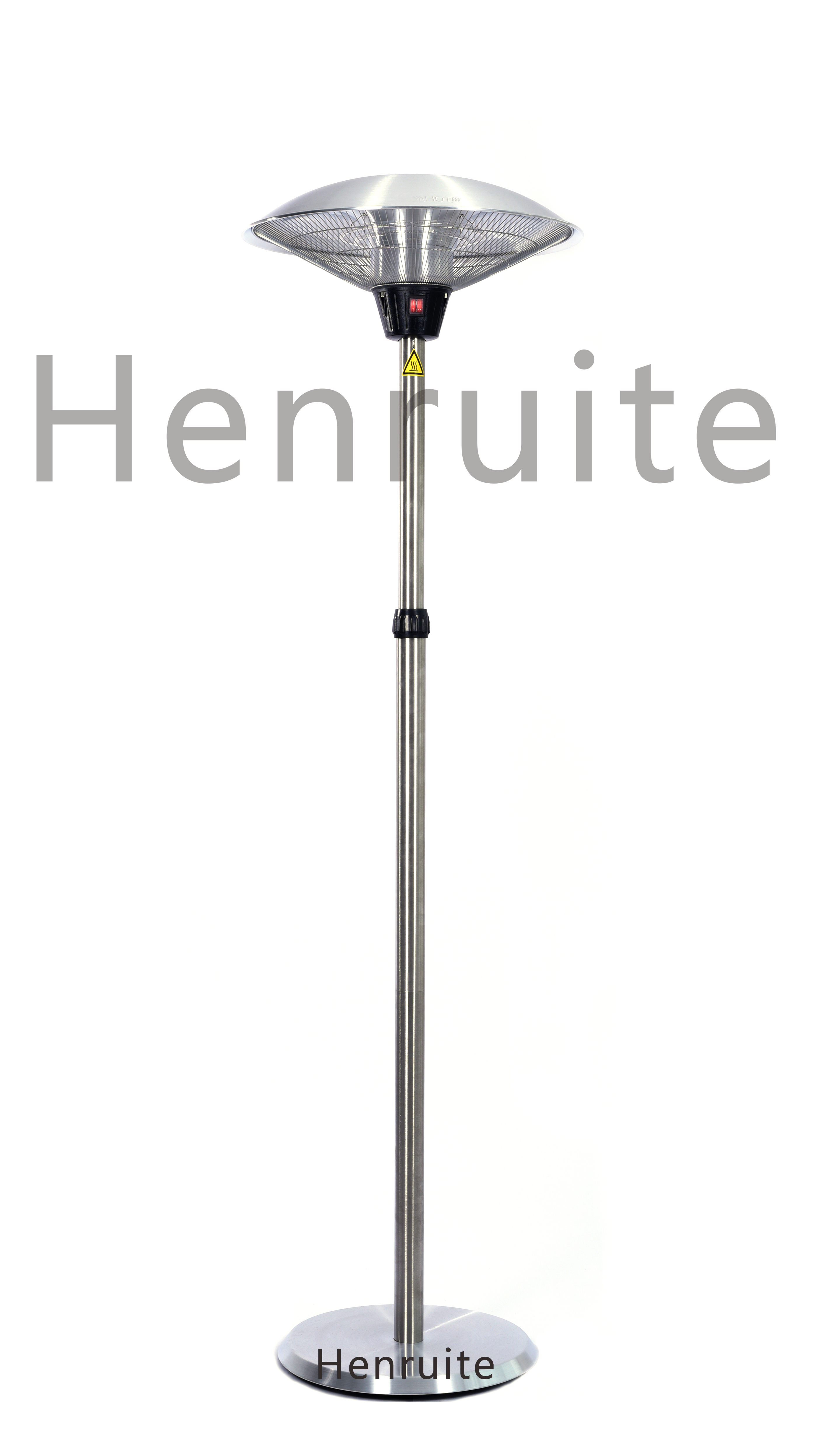
The Real Secret to IP44 Heaters: It’s All in the Wiring
You’ll see “IP44” all over the spec sheets. It sounds great on paper, but here is the thing: the outer shell isn’t usually what kills an infrared heater. The real trouble starts at the lead-wire junction. When you’re running high-wattage lamps, that heat doesn’t just blast forward. It creeps. It sneaks backward right toward the electrical connections, and that’s where things get messy. Why the cheap stuff fails Most heaters you find off-the-shelf just slap some silicone or glue around the entry point and call it a day. But heat is brutal. It makes those materials harden. They crack. Once that seal gives way, moisture just walks right into the housing. In a damp environment, that leads to oxidation and carbon tracking. We call it “high-temperature aging.” Basically, the insulation gets brittle, flakes off like old paint, and—boom—you’ve got a short circuit. How we actually fix it We do things a bit differently. Instead of just putting a bead of glue on the surface, we use a multi-stage potting process. We basically wrap the entire terminal block in a high-temp epoxy resin. It’s a solid physical barrier that doesn’t budge when things get hot. We also ditched standard PVC wiring—it melts way too fast—and switched to fluoropolymer-coated wires. The trick is getting the materials to “dance” together. The seal has to handle the massive temperature swing between the glowing lamp and the cold air around it. If the materials don’t expand and contract at the same rate, the seal just pops. We make sure our materials move in sync with the metal housing. The honest trade-off Now, there is a catch. Because everything is encased in resin, you can’t just “unplug” a wire for a quick fix. If a wire snaps, you’re replacing the whole assembly rather than just patching a connection. It’s a bit of a pain for repairs, sure. But it’s the only way to make sure your heater doesn’t burn out or trip every breaker in the building when things get damp. You lose a little bit of serviceability, but you get a machine that actually survives the job.