Keeping Bathrooms Warm Without Blinding Your Guests
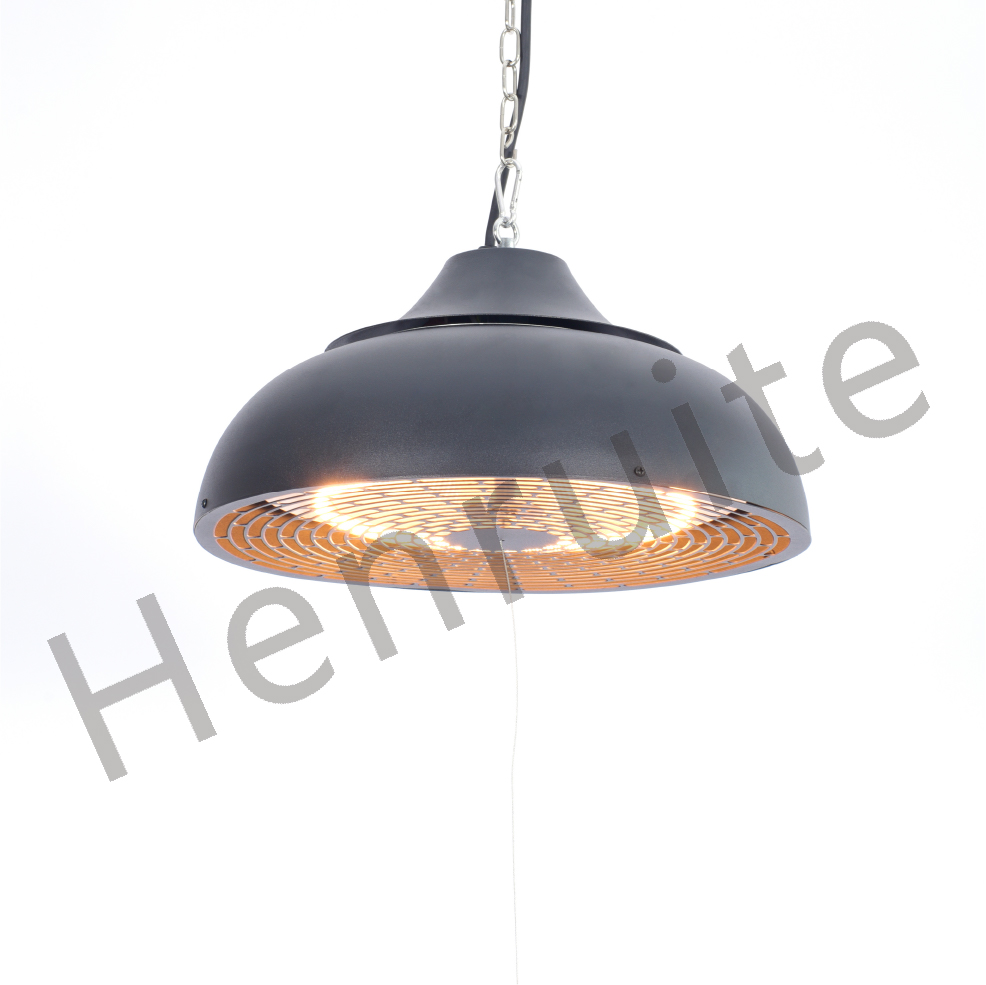
When we build infrared lamps for bathrooms, the waterproof rating is the easy part. The real headache? The light. Most industrial lamps just blast a wide spectrum of light. In a warehouse, that’s fine. In a bathroom, it’s a nightmare. It’s harsh, it’s glaring, and for a baby with developing eyes, it’s actually dangerous. The trick is in the light. We don’t want a spotlight; we want a glow. To get that, we use a specific mix of quartz glass and filament alloys that act like a filter. They scrub out those aggressive blue wavelengths that make you squint. You still get that instant, cozy heat on your skin, but the light stays soft. Sure, we lose a tiny bit of raw heat power by filtering the light, but that’s a trade we’ll make every single time. Safety over everything. Dealing with the steam. Water and electricity are a terrible match. That’s why we tuck everything into a sealed chassis that hits IP66 standards. It means the unit can handle heavy splashes and thick steam without blowing a fuse. But here’s the thing: these lamps get hot. Really hot. We use heavy-duty, heat-resistant gaskets to keep the seal tight, but you still have to be smart about where you put them. If your bathroom has zero airflow, that heat has nowhere to go. If the mounting surface can’t breathe, your components are going to fry way sooner than they should. Getting it on the wall. We made these to be simple drop-in replacements. You shouldn’t need a degree in engineering to install one. The wiring is basic, but do me a favor: check your circuit. These things pull a lot of power the moment they kick on. And please, for the love of everything,**make sure it’s grounded.**In a wet room, you can’t cut corners with grounding. It’s just not worth the risk.