
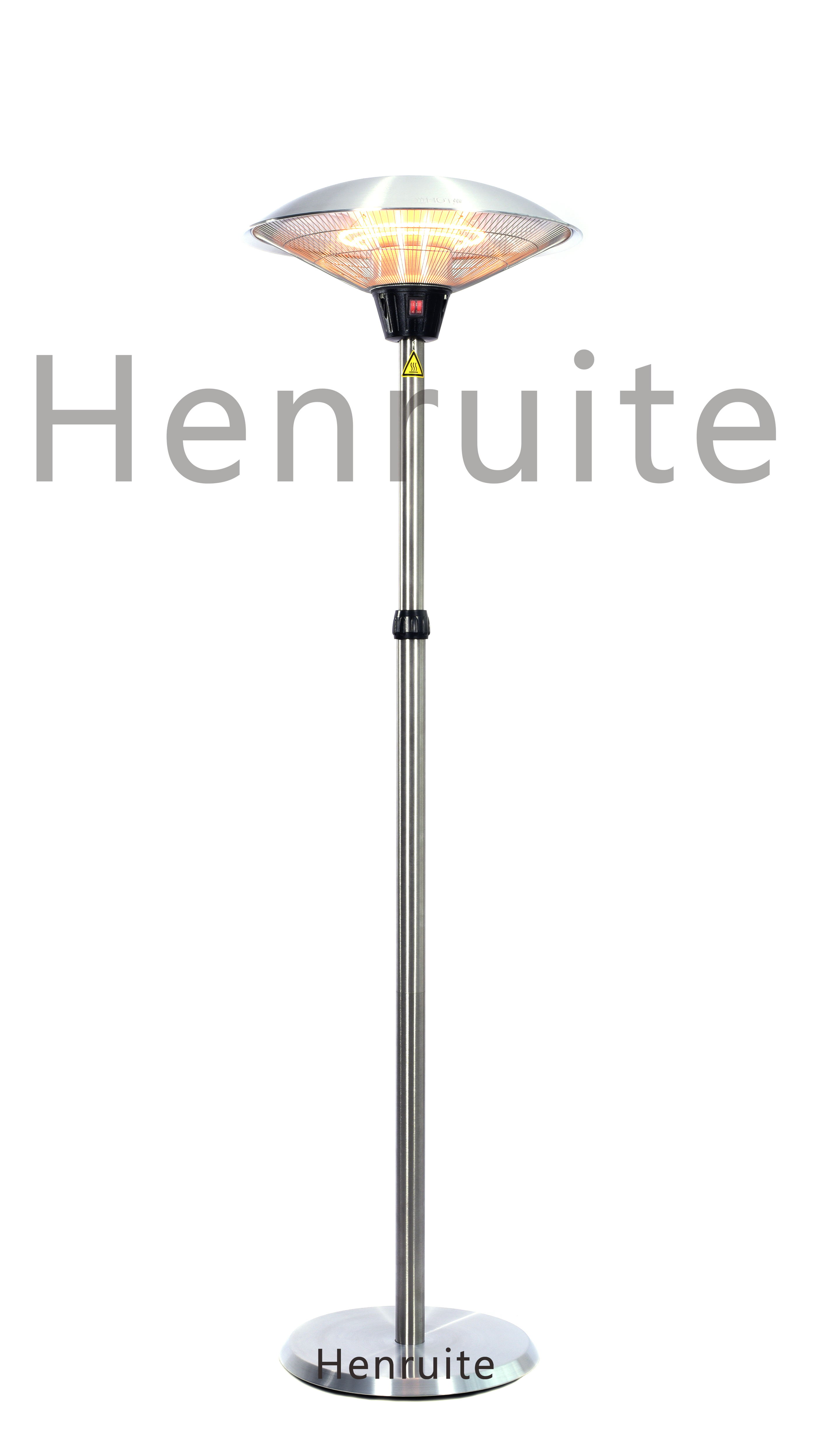
Keeping Your Bathroom Heaters Safe When Things Get Steamy
Putting infrared heaters in a bathroom is basically a fight against steam. It’s a constant battle. Since water and electricity are a dangerous mix, a single bad seal can lead to a short circuit or a ground fault. If you’re aiming for that IP65 rating, the real magic happens where the electrical wires meet the quartz glass. That’s where things usually go wrong. Dealing with the “invisible” leaks In a humid room, the air around your terminals can actually start conducting electricity. It’s creepy, but true. To stop this, we don’t just hope for the best—we use high-temp silicone potting or reinforced epoxy to completely wrap the connections. It creates a physical wall that keeps water vapor from jumping from the live wire to the chassis. A good rule of thumb? Make sure your insulation resistance stays above 100MΩ at 500V DC, even after the unit has been soaking in humidity for a full day. Better seals, better materials Forget basic gaskets. They just don’t cut it here. We lean on compression seals and IP65-rated cable glands to keep the inside bone-dry. The quartz tube itself is tough, but the end-caps? Those are the weak spots. We use fluorosilicone seals because they can handle the wild temperature swings—going from a cold room to several hundred degrees without cracking or leaking. The balancing act Here’s the tricky part: if you seal a lamp too tightly, you trap the heat. You can’t just wrap it in plastic and call it a day. If you don’t account for how the air inside expands when it gets hot, that pressure will eventually just blow the seals right out. It’s a bit of a tug-of-war. We have to balance that waterproof IP65 requirement with smart venting or heat-sink fins so the electronics don’t literally cook themselves. And for goodness sake, wire it up with a dedicated GFCI breaker. No matter how great your seals are, a breaker is your safety net when you’re working in a wet zone. Better safe than sorry.