

Stop Fighting Your Waterproof Heaters
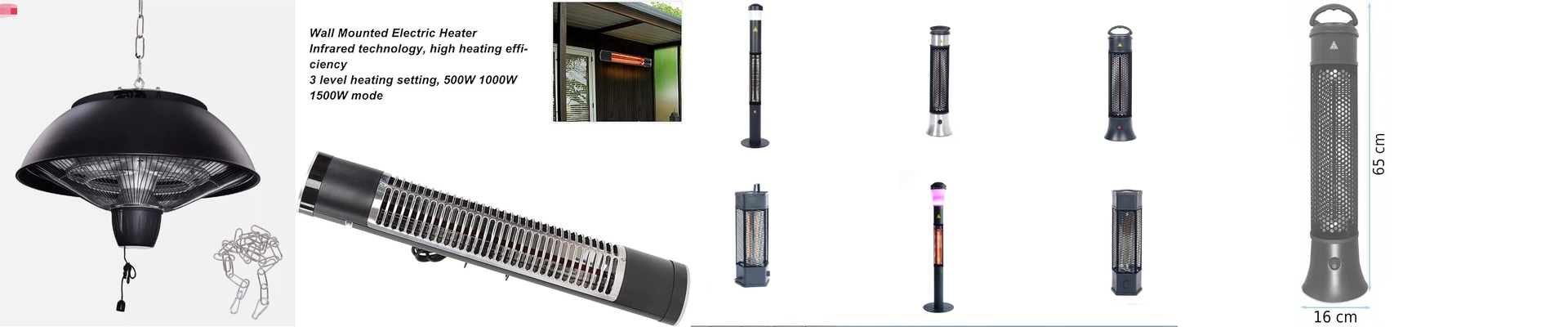
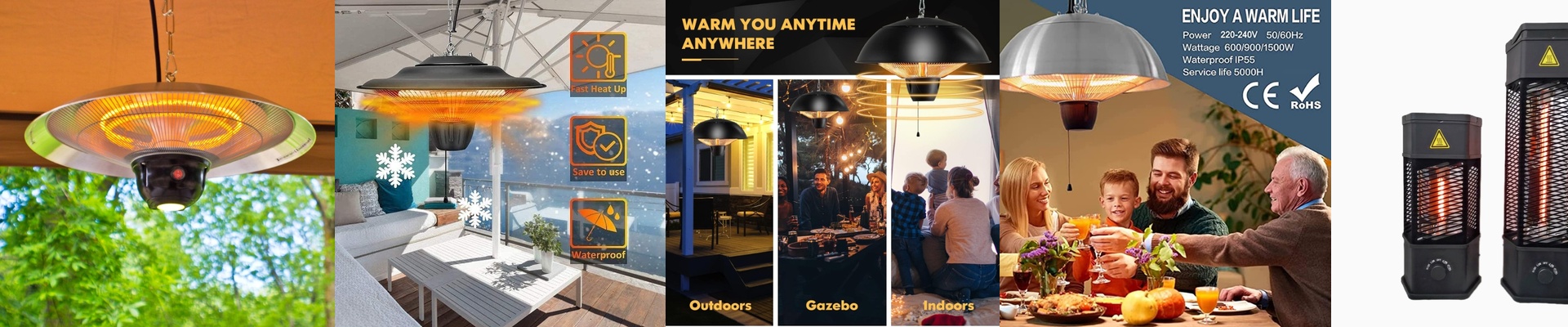
Let’s be honest: IP65 enclosures are usually a total pain to maintain. If a heating element burns out, you’re typically stuck stripping the entire housing or messily rewiring the internals just to swap one tube. It’s tedious, it’s slow, and it’s the last thing you want to deal with on a busy shift. We got tired of that, so we changed the way these are built. The “Drop-In” Fix We moved everything to a modular setup. Instead of hard-wiring the elements straight into the chassis, we use quick-connect interfaces. Here is why that matters: if a tube dies five years down the road, you don’t have to tear apart the IP65 seal or spend your entire morning on a teardown. You just pull the old module out, slide a new one in, and lock it. It turns a half-day headache into a ten-minute job.Simple as that. The Catch with Sealing Now, there is a trade-off. To keep that IP65 rating, you need tight gaskets and sealed cable entries. Those are great for keeping out dust and water, but they’re basically ovens for your electronics. High-wattage lamps get hot. Really hot. To stop the housing from warping or the seals from melting, we used heat-dissipating alloys in the module frame. Just a heads-up: make sure your airflow is dialed in. If the heat gets trapped inside that waterproof shell, your lamps won’t last nearly as long. Built for the Real World These are made for shops where gear actually takes a beating. By putting the heating element in its own replaceable module, you don’t have to mess with the main waterproof seal every time you do routine service. You get the protection of a sealed system without the usual frustration. When something finally breaks, you just replace the part. You don’t have to scrap the whole assembly.